For many homeowners in St. Louis, Chesterfield, Ballwin, Clayton, Creve Coeur, Ladue, Olivette, Overland, St Charles, Maryland Heights, Wildwood, Valley Park, Sunset Hills, Webster Groves, Maplewood, and University City, the basement represents one of the greatest opportunities to expand everyday living space without changing the footprint of the home. Whether the goal is a quiet home office, a comfortable guest suite, a private gym, or a stylish entertainment area, a successful basement remodel must begin with a plan that reflects both modern lifestyle needs and Midwest conditions.
In the St. Louis area, basement transformations require more than surface-level upgrades. Moisture, code requirements, ceiling limitations, HVAC planning, and lighting design all play an essential role in creating a finished lower level that is safe, durable, and beautiful. Homeowners who approach basement remodeling with a comprehensive strategy are better positioned to gain a space that performs well over time and adds lasting value to the home.
A well-designed basement should feel intentional, not secondary. That means selecting materials that can withstand below-grade conditions, designing layouts that support how the space will truly be used, and investing in craftsmanship that protects both comfort and resale value. With careful planning and a clear design vision, a basement can become one of the most functional and attractive areas in any St. Louis home.
Start with Moisture-Smart Design and Code-Safe Planning
Before design selections and decorative finishes begin, the most important phase of a basement remodel is preparing the space for long-term performance. In St. Louis and surrounding communities, basements often face seasonal humidity, groundwater pressure, and temperature swings that can affect comfort and durability. Moisture mitigation should therefore be treated as a foundational step, not an afterthought.
A moisture-smart basement plan may include improved exterior drainage, grading corrections, vapor barriers, sump pump support, and targeted waterproofing solutions where needed. These measures help protect the investment from future issues such as musty odors, material breakdown, mold concerns, and floor damage. Inside the basement, materials should be selected specifically for below-grade use. Closed-cell foam insulation, moisture-resistant drywall, and properly installed subfloor systems all contribute to a healthier and more resilient finished environment.
Code compliance is equally important. If the basement will include a bedroom or guest suite, egress requirements must be addressed to provide safe emergency exit access. Ceiling height also deserves close attention, especially in older homes where ductwork, beams, or plumbing lines may affect layout possibilities. A code-safe design takes these realities into account early so that homeowners can avoid costly changes later in the process.
This is also the stage where smart mechanical planning makes a major difference. HVAC should be evaluated to ensure the basement remains comfortable throughout the year. Some spaces may need supply and return adjustments, zoning improvements, or supplemental solutions for consistent temperature control. Soundproofing can also be integrated at this point, particularly for home theaters, offices, gyms, or guest areas. Insulating interior walls and ceilings can significantly reduce noise transfer between floors, making the basement more enjoyable for everyone in the household.
Choose Durable Finishes and Layered Lighting for Everyday Comfort
Once the structure, moisture control, and layout framework are in place, the next step is selecting finishes that combine style with durability. In today’s basement remodels, homeowners are moving away from designs that feel dark or disconnected from the rest of the home. Instead, the focus is on creating a polished, welcoming extension of the main living areas.
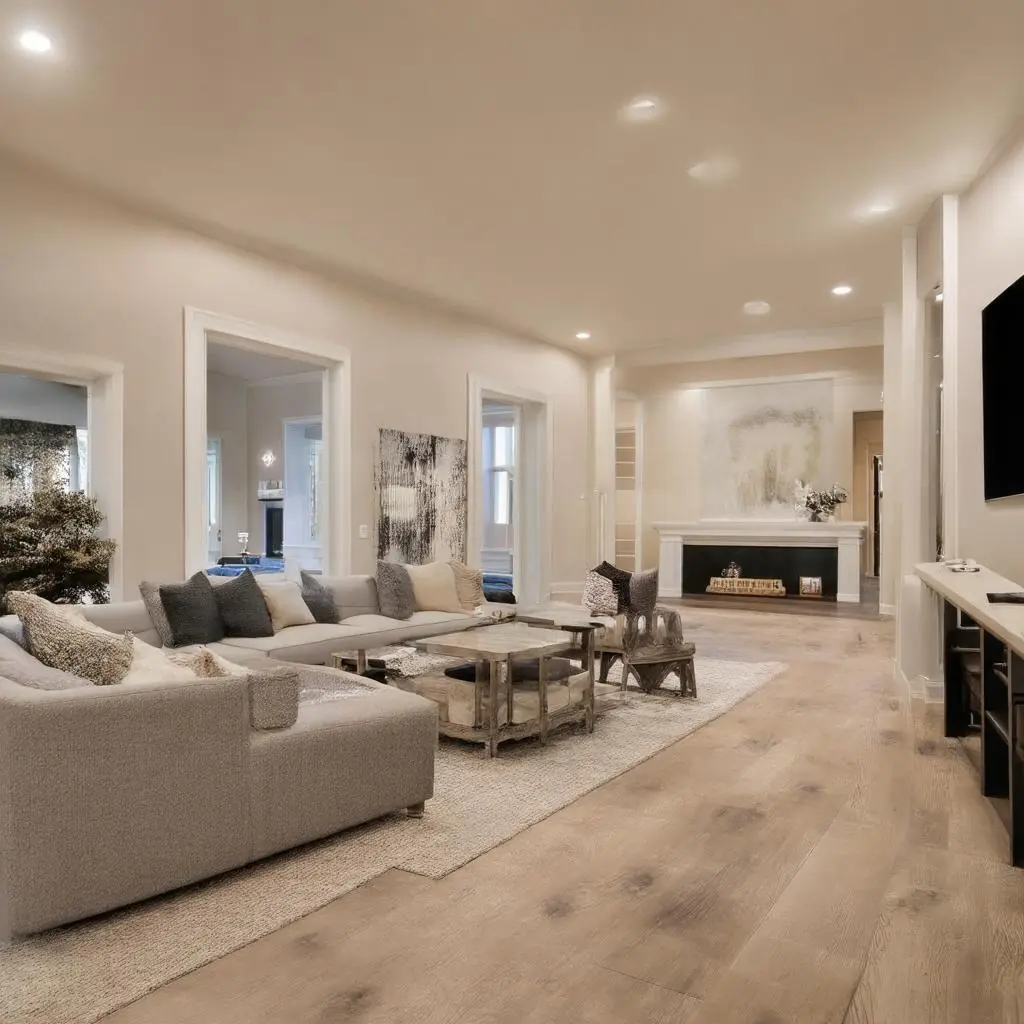
Luxury vinyl plank flooring is a leading choice for St. Louis basements because it offers the look of hardwood with greater resistance to moisture and wear. When installed over an insulated subfloor, LVP can also help improve warmth and underfoot comfort. This is especially valuable in lower-level spaces intended for everyday use, such as family rooms, offices, and guest accommodations. Moisture-resistant drywall and trim materials further support long-term durability while allowing for a clean, upscale appearance.
Color palettes and finish selections should work together to brighten the basement and create a sense of openness. Lighter wall tones, thoughtfully placed texture, and modern millwork can help the space feel refined rather than purely utilitarian. Closed-cell foam insulation behind walls also supports energy efficiency while helping maintain comfort year-round.
Lighting is another essential component of basement design. Because natural light is often limited, a layered lighting strategy is key. Recessed ceiling lights provide general illumination, while sconces, under-cabinet lighting, floor lamps, and accent fixtures create warmth and visual depth. In multi-use basements, lighting should be planned by zone. A home office may need brighter task lighting, while a media area benefits from dimmable fixtures for a more relaxed atmosphere. With the right balance, a basement can feel cozy, functional, and visually cohesive at the same time.
Design the Space Around How Your Household Really Lives
One of the greatest advantages of a basement remodel is flexibility. A well-planned lower level can support multiple uses at once, allowing homeowners to customize the space around their family’s routines and future goals. Rather than applying a one-size-fits-all design, the best results come from tailoring the floor plan to the way the household truly lives.
For fitness-focused homeowners, a basement gym can provide convenience and privacy while reducing the need for off-site memberships. Durable flooring, mirrored walls, ventilation planning, and sound control all contribute to a more effective workout environment. For households that host friends and relatives, a guest suite with a proper egress window, comfortable bathroom access, and thoughtful storage can create a welcoming retreat.
Home theaters remain a popular option for St. Louis basement remodels, especially when soundproofing, lighting control, and built-in media storage are incorporated from the start. At the same time, demand for work-from-home spaces continues to shape modern basement design. A dedicated office in the basement can offer quiet separation from the rest of the home, especially when acoustic insulation, strong lighting, and integrated cabinetry are included.
Many homeowners also prefer hybrid layouts that combine several functions into one cohesive plan. For example, a basement may include a family lounge, a compact office nook, a beverage station, and a flexible guest area. The success of these multi-use spaces depends on thoughtful zoning, circulation, and storage. Built-in shelving, concealed utility access, custom cabinetry, and strategically placed walls or partitions can make the basement feel organized and intentional rather than crowded.
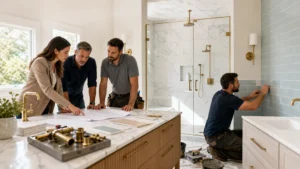
This is where a free 3D design service becomes especially valuable. Seeing the layout, finishes, and spatial relationships before construction begins helps homeowners make informed decisions with greater confidence. It improves communication, clarifies priorities, and allows adjustments to happen on paper instead of during the build. For basement transformations in St. Louis, that level of pre-construction clarity can save time, reduce uncertainty, and lead to a stronger final result.
Understand Timelines, Budget Tiers, and the Value of Craftsmanship
A basement remodel is a major improvement project, and homeowners benefit from entering the process with realistic expectations. Timelines can vary depending on the scope of work, structural updates, permitting needs, and finish selections. A straightforward basement refresh may move more quickly, while a full transformation with a bathroom, guest suite, or custom built-ins will require a longer schedule. In most cases, planning, design, material selection, permitting, and construction all need to be coordinated carefully to keep the project moving efficiently.
Budget tiers also vary based on the size of the basement and the complexity of the work. A more modest finish may focus on open living space, upgraded flooring, painted drywall, and improved lighting. A mid-range investment may add enhanced insulation, custom storage, a home office zone, or higher-end finish packages. A premium basement remodel may include a full bathroom, specialty ceiling work, custom millwork, advanced soundproofing, entertainment systems, or a luxury guest suite. In every tier, the materials and installation methods chosen will directly influence long-term performance.
For this reason, craftsmanship should never be viewed as secondary. Quality remodeling is about more than attractive finishes. It includes straight lines, careful framing, proper moisture protection, reliable installation, smooth transitions between materials, and detailed finish work that stands up to daily use. In St. Louis homes, these details matter because a basement must do more than look good on completion day. It must remain comfortable, durable, and functional for years to come.
Homeowners throughout St. Louis and nearby communities are increasingly seeking remodeling partners who understand this balance of design, code, comfort, and construction quality. A basement transformation executed with integrity, innovation, and attention to detail can create meaningful new living space while increasing the enjoyment and value of the entire home. With the right plan, the right materials, and a design process that starts with clarity, your basement can become one of the smartest and most rewarding upgrades you make.