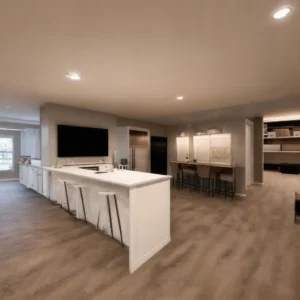

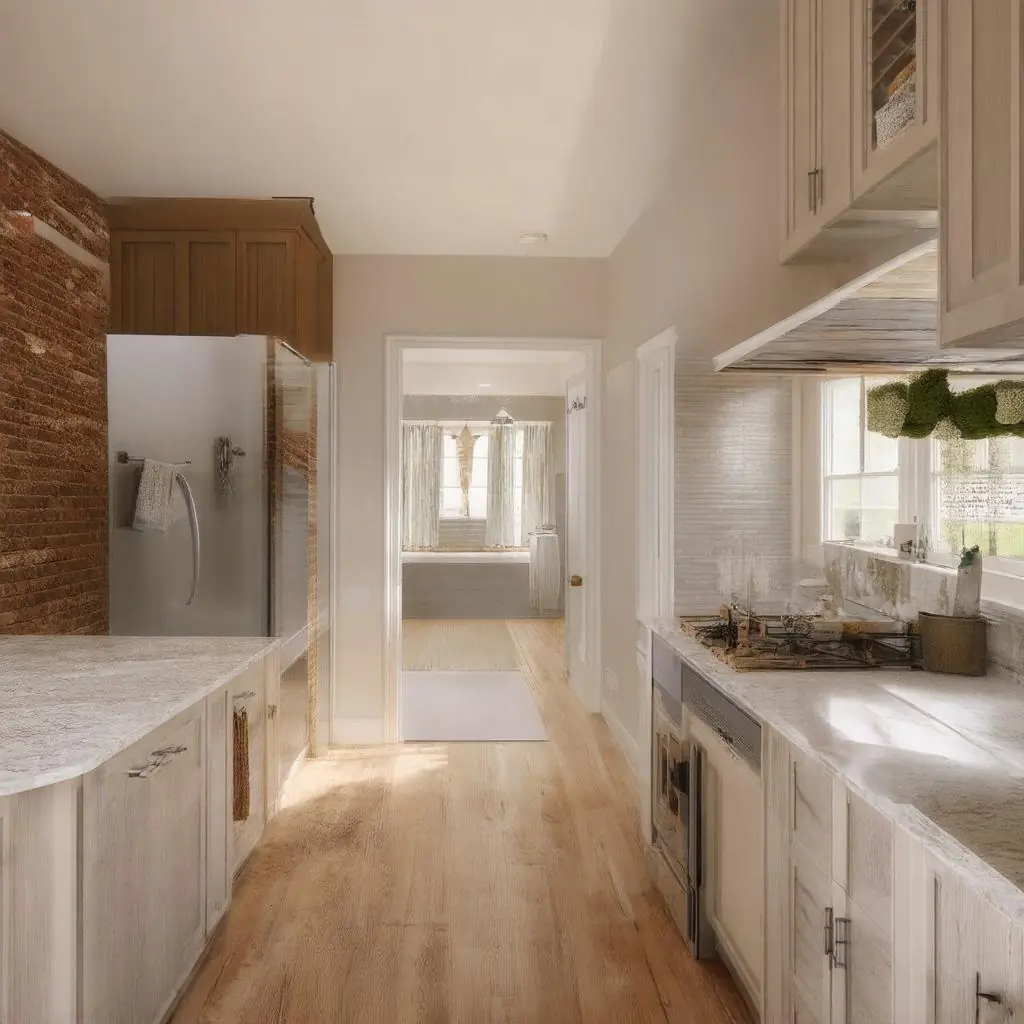
In the Greater St. Louis area—from St Louis, Chesterfield, Ballwin, Clayton, Creve Coeur, Ladue, Olivette, Overland, St Charles, Maryland Heights, Wildwood, Valley Park, Sunset Hills, Webster Groves, Maplewood, to University City—homes contend with a unique blend of conditions: historic masonry construction, wide humidity swings across seasons, and expansive clay soils. These realities reward careful planning, premium materials, and disciplined installation methods. True craftsmanship is the difference between work that looks good on day one and work that still performs beautifully years later.
This guide outlines how to identify quality in the areas that most affect durability and daily comfort: moisture-smart basements with code-compliant egress, bathroom waterproofing that actually keeps water where it belongs, kitchen cabinetry built to last, and climate-appropriate flooring. It also highlights process hallmarks—clear scopes, permits, dust control, and 3D design previews—so you can balance style, function, and budget with confidence during a free estimate and throughout your project.
Materials and Methods That Last
-
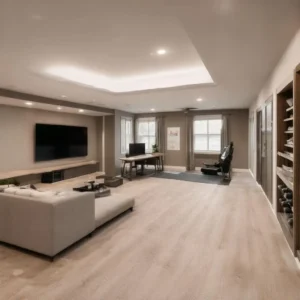
Moisture-smart basements
- Water management starts outside. Proper grading away from the foundation, gutter cleaning, and downspout extensions reduce hydrostatic pressure before you address the interior. In areas with clay soils, extend downspouts well away from the footing and consider splash blocks or underground drains to daylight.
- Interior controls matter. Perimeter drain tile (with a clean-out), a sump basin with a reliable pump and check valve, and battery backup provide resilience during heavy storms. Where applicable, include a radon-ready rough-in.
- Insulate and frame for dry performance. Use rigid foam or closed-cell foam insulation against concrete or masonry walls to prevent condensation. Avoid polyethylene sheeting directly against basement walls; it can trap moisture. Pressure-treated bottom plates with a capillary break (e.g., sill gasket) help prevent wicking. Decouple framing slightly from masonry to create an air space and keep fasteners off mortar joints where possible.
- Air quality and comfort. A dedicated, plumbed dehumidifier sized for the basement’s volume stabilizes humidity. Seal duct penetrations and rim joists, and specify low-VOC materials for healthier air.
-
Code-compliant egress and safety
- Habitable basement spaces and bedrooms require emergency escape and rescue openings per local code. A reputable remodeler will confirm window or door sizes, sill heights, well dimensions, and ladder requirements with your jurisdiction before cutting masonry.
- If a window well is required, include drainage to the perimeter system and a cover rated for snow and debris loads.
- Safety upgrades often accompany egress work: smoke and carbon monoxide alarms, arc-fault and ground-fault protection where specified, and tempered glass where required. Expect permits and inspections—these protect you and the investment in your home.
-
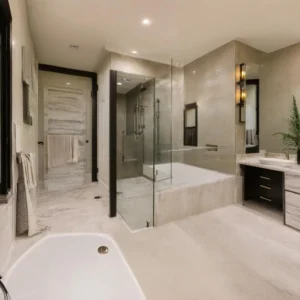
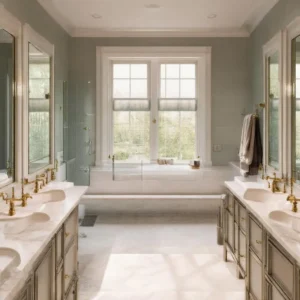
Bathroom waterproofing done right
- Choose the correct substrate. Cement board, fiber-cement board, or foam backer boards are suitable for wet areas; paper-faced drywall is not appropriate in shower enclosures.
- Continuous waterproofing is essential. Sheet membranes and liquid-applied membranes both perform well when installed to the manufacturer’s specifications. Look for pre-formed corners, properly overlapped seams, and sealed fasteners.
- Build the shower pan correctly. Include a pre-slope, an integrated drain system (bonding-flange or clamping-style with weep protection), and perform a 24-hour flood test before tile.
- Manage movement and penetrations. Incorporate expansion joints where planes change, seal valve and head penetrations, and slope niches and benches to the drain.
- Ventilation finishes the job. A quiet, correctly sized exhaust fan vented outdoors (not to an attic) with a humidity sensor manages moisture and protects finishes.
-
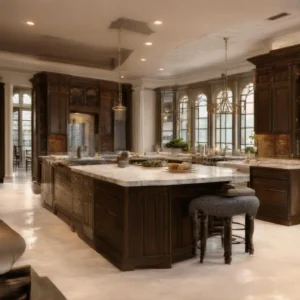
Kitchen cabinets that endure
- Specify robust box construction. Furniture-grade plywood boxes and solid-wood dovetailed drawer boxes outlast particleboard in high-use kitchens. Full-extension, soft-close undermount slides and soft-close hinges from reputable brands improve longevity and function.
- Durable finishes. Factory-applied, catalyzed finishes provide superior moisture, heat, and chemical resistance. Moisture-resistant toe-kicks and sink base protection extend life where spills and mopping occur.
- Precision installation. Cabinets should be laser-leveled and secured to studs with structural fasteners, with scribe moldings and fillers for tight fits to uneven walls common in older masonry homes. Expect thoughtful details: reinforced wall blocking for floating shelves, straight exhaust runs for range hoods, and accessible, labeled drivers for under-cabinet lighting.
-
Climate-appropriate flooring
- Respect St. Louis humidity swings. Engineered hardwood with a stable core resists seasonal movement better than solid hardwood, especially over basements and slabs. Luxury vinyl plank is moisture-tolerant and durable in high-traffic zones; porcelain tile excels in wet areas.
- Prepare the substrate. Flatness tolerances are critical for wide planks and large-format tile. Over concrete, verify moisture with standardized tests; choose appropriate vapor retarders and crack-isolation membranes. Over wood, ensure proper fastener spacing, underlayment, and deflection control before tile.
- Install with movement in mind. Acclimate materials in conditioned space to service temperatures and humidity, maintain perimeter expansion gaps, and use transition profiles thoughtfully at thresholds. For radiant floors, verify product compatibility and follow temperature ramp guidelines to avoid shock.
Building for St. Louis Realities: Historic Masonry, Humidity Swings, and Clay Soils
-
Historic masonry homes
- Many St. Louis houses feature solid brick with lime-rich mortar. Preserve breathability: avoid trapping moisture with impervious interior coatings that can drive deterioration into the masonry. Where repointing is needed, use compatible mortar to prevent damage to soft brick.
- Attach new elements with care. When framing against masonry, maintain a capillary break and use appropriate anchors. For exterior tie-ins (e.g., additions or egress wells), plan masonry cuts and supports to protect structural integrity and aesthetic details like soldier courses and limestone sills.
-
Humidity swings and indoor comfort
- Seasonal expansion and contraction affect wood cabinets, trim, and floors. Quality craftsmanship includes leaving proper clearances, using stable materials (engineered cores, quarter-sawn stock), and detailing movement joints in long tile runs.
- Mechanical systems matter. Balanced ventilation, spot exhaust, and dehumidification protect finishes. In bathrooms and basements, specify fans and dehumidifiers sized to room volume and anticipated moisture loads; consider smart controls for consistency.
-
Expansive clay soils
- Clay soils expand when wet and shrink when dry, influencing foundations, slabs, and flatwork. Expect a drainage-first strategy—grading, downspout management, and perimeter drains—to reduce movement.
- Interior finishes should accommodate small shifts. In basements, floating or decoupled walls can help manage slab heave. For tile over concrete, use crack-isolation membranes and honor joints. At exterior interfaces, include proper sealants and backer rods with joint designs that allow for movement.
Hallmarks of a Professional Remodeling Process
-
Clear scope, transparent pricing, and allowances
- A detailed scope defines the exact materials, brands, and installation standards for each space. Allowances for fixtures and finishes align selections to budget without sacrificing craftsmanship. Line-item clarity helps you compare options and avoid surprises.
-
Permits, inspections, and code coordination
- Your contractor should handle permits, coordinate inspections, and anticipate requirements for egress, electrical protection, ventilation, and structural changes. In older homes, expect evaluation for lead-safe practices and potential knob-and-tube or galvanized plumbing upgrades.
-
Dust control and jobsite protection
- Look for containment (zip walls, sealed vents), negative air machines with HEPA filtration, and daily cleanup. Protect existing floors, stairs, and landscaping. For pre-1978 homes, require EPA RRP compliance for lead-safe work.
-
Documentation and communication
- Complimentary 3D design previews make scope and finishes tangible before work begins, improving alignment on layout, lighting, and storage. Regular progress updates, a single point of contact, and a defined change-order process keep the project on track.
-
Quality assurance and closeout
- Expect mockups where appropriate (tile patterns, grout colors), in-progress photos, and checklists tied to manufacturer specs. Final walkthroughs, a punch list, and a closeout package with warranties and care guides set you up for long-term satisfaction.
Your Free Estimate Toolkit: Concise Checklist and Key Questions
-
Concise checklist to spot craftsmanship
- Basement
- Exterior water management addressed (grading, gutters, downspouts)
- Interior drain tile, sump with backup, radon-ready noted
- Rigid or closed-cell insulation against masonry; no poly against concrete
- Pressure-treated bottom plates with capillary break; decoupled framing
- Dehumidifier specified and duct/penetrations sealed
- Egress
- Permit and inspection plan outlined; local code confirmed
- Window/well details with drainage, ladder, and cover where required
- Safety upgrades (smoke/CO, GFCI/AFCI, tempered glass) included
- Bathroom
- Appropriate backer boards and continuous waterproofing method specified
- Pre-slope and flood test of shower pan planned
- Sealed penetrations, movement joints, and correctly vented exhaust fan
- Kitchen cabinetry
- Plywood boxes, dovetailed drawers, premium soft-close hardware
- Factory-cured finishes; sink base moisture protection
- Laser-leveled installation, proper blocking, and scribe details
- Flooring
- Substrate flatness and moisture testing documented
- Suitable products for humidity swings and location (e.g., basement)
- Vapor retarders/crack isolation, acclimation plan, and expansion gaps
- Process
- Detailed scope with named materials and allowances
- Dust control plan (containment, HEPA filtration) and daily cleanup
- Permit handling and inspection schedule
- Complimentary 3D design previews included
- Warranty terms and post-project care guidance
-
Key questions to ask during a free estimate
- How will you manage exterior and interior moisture for my basement given local soils and grading?
- What is your plan for code-compliant egress (sizes, well drainage, permits, inspections) in my jurisdiction?
- Which waterproofing system will you use in the bathroom, and will you flood test the shower pan before tiling?
- What cabinet box materials, drawer construction, and hardware brands do you specify, and how do you level and secure cabinets to uneven walls?
- Which flooring types do you recommend for my rooms, and how will you test and prepare the subfloor or slab for moisture and flatness?
- How do you adapt details for historic brick or lime mortar so the walls can still breathe?
- What strategies will you use to handle seasonal humidity swings to protect woodwork and tile?
- How will you mitigate risks from expansive clay soils (drainage, floating walls, crack isolation)?
- What is included in your dust control plan, and how do you protect adjacent spaces and HVAC?
- Who pulls permits and coordinates inspections? Are you licensed and insured for this scope?
- How will the 3D design preview reflect final selections, and how are changes handled and priced?
- What are the milestones, payment schedule, and expected lead times for materials?
- What warranties do you provide on labor and materials, and how do you service warranty items?
With a clear understanding of materials, methods, and process, you can evaluate proposals with confidence and invest in upgrades that look exceptional and stand up to St. Louis conditions. During your free estimate, use the checklist and questions above to focus the conversation on lasting value, not just initial cost. A team committed to quality materials, skilled installation, and transparent communication will help you balance style, function, and budget—and enjoy your home for years to come.