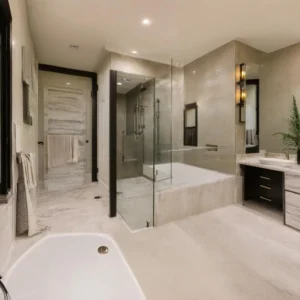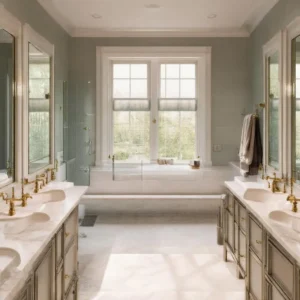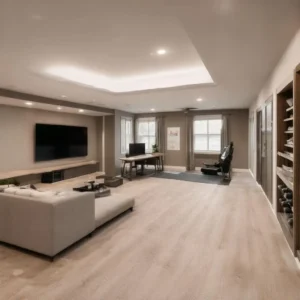

From century homes to contemporary builds, St. Louis homeowners expect remodeling work that stands up to real life—humidity swings, busy households, and high expectations for beauty and performance. Whether you live in St Louis, Chesterfield, Ballwin, Clayton, Creve Coeur, Ladue, Olivette, Overland, St Charles, Maryland Heights, Wildwood, Valley Park, Sunset Hills, Webster Groves, Maplewood, or University City, elevating a remodel begins with two pillars: quality craftsmanship and clear visualization. With high-caliber materials and a complimentary 3D design process, you can make decisions confidently and enjoy results built to last.
How to recognize true craftsmanship—and hire the right team
Quality shows up in the details you can see—and the ones you cannot. Before you sign a contract, look for evidence of planning, precision, and accountability.
- Structure and preparation
- Accurate measuring and templating for cabinets, counters, and tile layouts.
- Proper subfloor leveling, underlayment selection, and fastener patterns; squeak-free floors are planned, not accidental.
- Moisture and vapor management in wet areas and basements (membranes, backer boards, rigid foam, and sealed penetrations).
- Fit and finish
- Consistent reveals on doors and drawers; tight, clean miters; plumb, level, and square installations.
- Fastener heads concealed or filled appropriately; caulk lines crisp and uniform.
- Tile lippage minimized; grout lines aligned and even; transitions subtle and flush where feasible.
- Mechanical and code matters
- GFCI/AFCI protection where required; proper ventilation in baths; range hood ducted to exterior.
- Egress-compliant windows in new basement sleeping areas; appropriate insulation and fire-blocking.
- Documentation and protection
- Clear scope of work, line-item pricing, and timelines.
- Proof of insurance; permit handling; warranty terms in writing.
- Jobsite cleanliness, dust control, and protection for adjoining rooms and finishes.
Key questions to ask vetted installers:
- Who will be on-site daily, and who is my point of contact?
- Can I see recent, local projects similar to mine?
- What is included and excluded in this proposal (demo, haul-away, patching, paint, trim, permits)?
- Which brands and material grades are specified? Are there allowances, and how are overages handled?
- How do you address moisture mitigation in basements and wet rooms?
- What is your change-order process and typical lead time for revisions?
- How are punch lists, warranties, and post-completion support handled?
Expressions Remodeling is committed to craftsmanship backed by integrity and innovation, pairing trusted installers with top-tier materials and a design process that removes guesswork before work begins.
Premium materials that perform in Missouri homes
St. Louis seasons demand materials that look refined and resist wear, moisture, and movement. Choosing right-sized quality—never generic, underperforming products—protects your investment.
- Kitchens
- Countertops: Nonporous quartz and sintered stone/porcelain slabs resist stains, heat, and etching. Sealed natural stones (granite and some quartzites) also perform well; avoid high-maintenance marble in heavy-use zones unless you embrace patina.
- Cabinets: Furniture-grade plywood boxes with hardwood face frames; soft-close, full-extension slides; durable catalyzed or conversion varnish finishes. For high-humidity resilience, consider thermo-structured surfaces or premium laminates for secondary spaces.
- Backsplashes: Porcelain or ceramic tile with high PEI rating; epoxy or high-performance grout for stain resistance.
- Flooring: Engineered hardwood (stability in humidity swings), porcelain tile, or premium LVP with thick wear layers and robust locking systems.
- Bathrooms
- Wet-area substrates: Cement board or foam board with continuous waterproofing membranes (e.g., sheet or liquid-applied) on all shower walls and pans.
- Tile: Porcelain for durability; textured or matte options on floors for slip resistance. Epoxy grout for longevity and low maintenance.
- Surfaces: Quartz or solid-surface tops; solid-surface or tiled shower bases with linear drains for sleek accessibility.
- Ventilation: Appropriately sized, quiet exhaust fans (low sone ratings) ducted outdoors to curb humidity.
- Basements and lower levels
- Moisture-ready assemblies: Rigid foam against foundation walls, treated bottom plates, and decoupled framing. Closed-cell spray foam at rim joists to block air and vapor.
- Flooring: LVP, porcelain tile, or carpet tiles with moisture-resistant backings; avoid MDF and fiberboard near concrete slabs.
- Finishes: PVC/composite baseboards and mildew-resistant paints; consider integrated dehumidification and sump/backflow prevention where prudent.
- Egress and comfort: Code-compliant egress windows for bedrooms; acoustic insulation for ceilings to reduce footfall noise.
- Garages and utility spaces
- Floors: Industrial epoxy or polyaspartic coatings with proper surface prep for longevity, or porcelain tile rated for vehicles.
- Storage: Powder-coated steel or high-density laminate cabinetry; slatwall and ceiling racks for load-rated, flexible storage.
- Power and function: Adequate circuits/GFCI, EV charging readiness, task lighting, and hose-friendly wall finishes.
- Flooring replacements throughout
- Engineered hardwood for stability; site-finished floors enable seamless transitions and custom stains; prefinished offers superior factory-cured coatings.
- Cork underlayments and premium sound mats for multi-level comfort; flush transitions that reduce trip points.
- Built-ins, storage rooms, and bespoke spaces
- Plywood carcasses with hardwood edging outlast particleboard; adjustable shelving and full-extension drawer slides add function.
- Home offices: Durable desktops (HPL, quartz), wire management grommets, and acoustic treatments for calls.
- Man caves and media rooms: Sound isolation (resilient channels, acoustic insulation), dimmable layered lighting, and ventilation for comfort.
Our supplier network focuses on dependable, warrantied products that align with your budget and design goals—never bargain-basement materials that compromise results.
See it before you build it: leverage complimentary 3D design
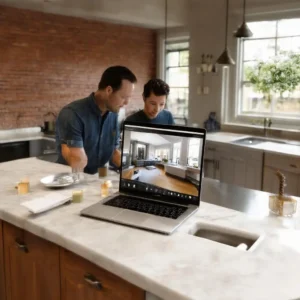
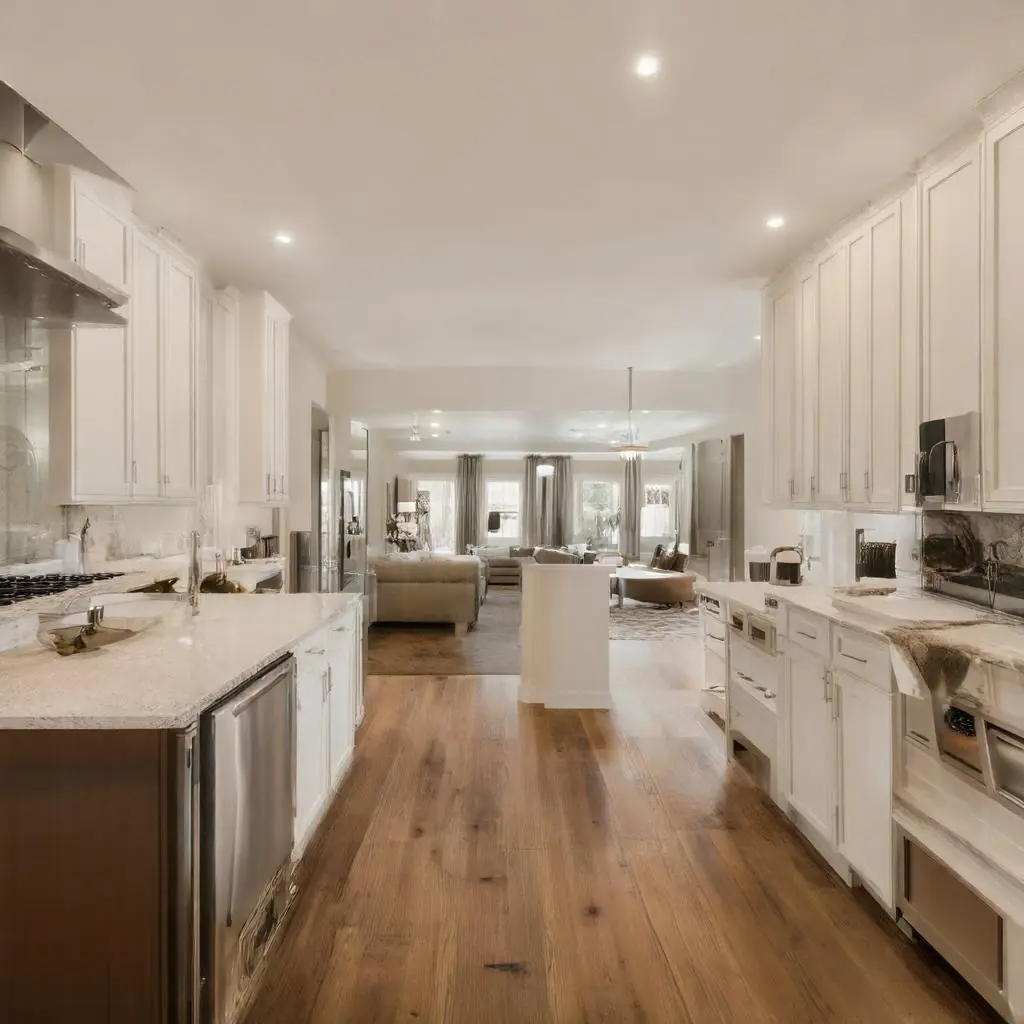
Great design eliminates uncertainty. Our complimentary 3D design service turns ideas into clear, scaled visuals you can evaluate before work begins.
How 3D design elevates your remodel:
- Confidence in layout and flow: Validate appliance clearances, island seating, door swings, and traffic paths.
- Precise selections: Compare cabinet styles, tile patterns, grout colors, fixtures, and lighting in context.
- Budget alignment: Test material and scope options against allowances to minimize change orders.
- Technical clarity: Coordinate ceiling heights, bulkheads, beam work, and mechanical chases early to avoid surprises.
- Communication made easy: A shared visual language for homeowners, designers, and installers reduces misinterpretation.
How to get the most from your design session:
- Bring rough measurements, inspiration images, and your must-haves vs. nice-to-haves.
- Share lifestyle priorities (cooking style, storage needs, accessibility, work-from-home requirements, hobbies).
- Set a realistic investment range; we guide you to materials and layouts that honor it.
- Review iterations promptly; small refinements on screen save time and money on-site.
By confirming the end result in 3D—kitchens, bathrooms, basements, garages, storage upgrades, flooring plans, or bespoke offices/man caves—you begin construction with clarity and a cohesive roadmap.
What a transparent, free estimate should include—and practical tips to balance style and function
Your estimate should illuminate the path ahead, not obscure it. Expect line-item transparency and defined responsibilities.
A thorough, free estimate typically includes:
- Scope of work: Demolition, framing, electrical, plumbing, HVAC, insulation, drywall, finishes, trim, paint, and cleanup.
- Specifications: Identified brands and material grades, with clear allowances for selections still in progress.
- Labor and materials: Itemized pricing, taxes, and disposal fees.
- Schedule: Lead times, milestones, and projected start/finish dates.
- Site protection: Dust control measures, floor/wall protection, and daily cleanup standards.
- Permits and inspections: Who secures them and how inspection scheduling is handled.
- Insurance and warranties: Proof of coverage; labor and manufacturer warranty terms.
- Change-order policy: Process, pricing method (fixed or time-and-materials), and approval steps.
- Payment schedule: Tied to milestones, not vague percentages alone.
- Punch list and closeout: Final walkthrough, as-built updates, and warranty handoff.
Style-and-function tips across common projects:
- Kitchen updates
- Plan zones (prep, cook, clean, serve) rather than relying solely on the “triangle.”
- Specify task, ambient, and accent lighting; under-cabinet lighting is a small upgrade with outsized daily impact.
- Hide the practicalities: Trash/recycle pullouts, tray dividers, spice and utensil solutions, and charging drawers.
- Durable surfaces first; add personality with hardware, lighting, and backsplash accents that can evolve over time.
- Bathroom reimagining
- Prioritize waterproofing and ventilation; beauty follows durability.
- Consider curbless showers for accessibility and visual calm; include a handheld shower and properly sloped niche.
- Warmth matters: Radiant floor heat in main baths adds comfort and resale appeal.
- Basement or garage finishing
- Solve moisture and air sealing at the outset; finishes will only perform as well as the assemblies beneath them.
- Add sound control in ceilings and walls for media or play spaces.
- Plan for power (dedicated circuits, EV charging), storage (slatwall, ceiling racks), and cleanup (wash sink, hose bib).
- Storage rooms and built-ins
- Inventory what you store; size shelves and clearances to real items (totes, golf clubs, seasonal decor).
- Use resilient finishes in high-touch zones and label-friendly hardware to maintain order.
- Flooring replacements
- Address squeaks and deflection at the subfloor level; use premium underlayments matched to your material.
- Coordinate transitions and thresholds early, especially across rooms and hallways.
- Home office or man cave
- Prewire data and power; include dimmable layers of light and acoustic treatments for calls or cinema sound.
- Integrate display walls, beverage centers, and concealed storage so the space remains polished and flexible.
At Expressions Remodeling, our process is designed around your goals: a transparent, free estimate that spells out the path, premium materials chosen for Missouri conditions, vetted professionals installing to exacting standards, and a complimentary 3D design that lets you see the destination before we start. The result is a home that balances style with durable function—built to last and tailored to the way you live.