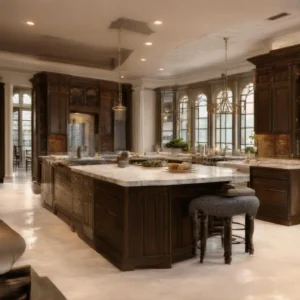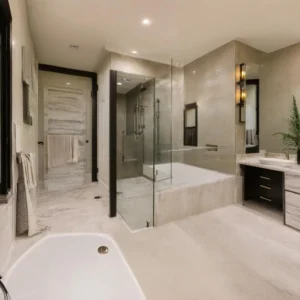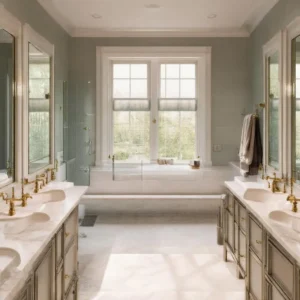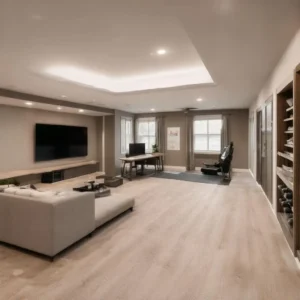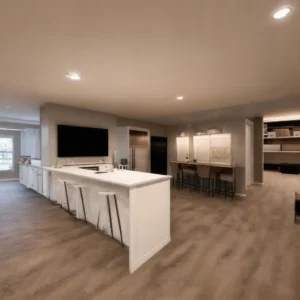

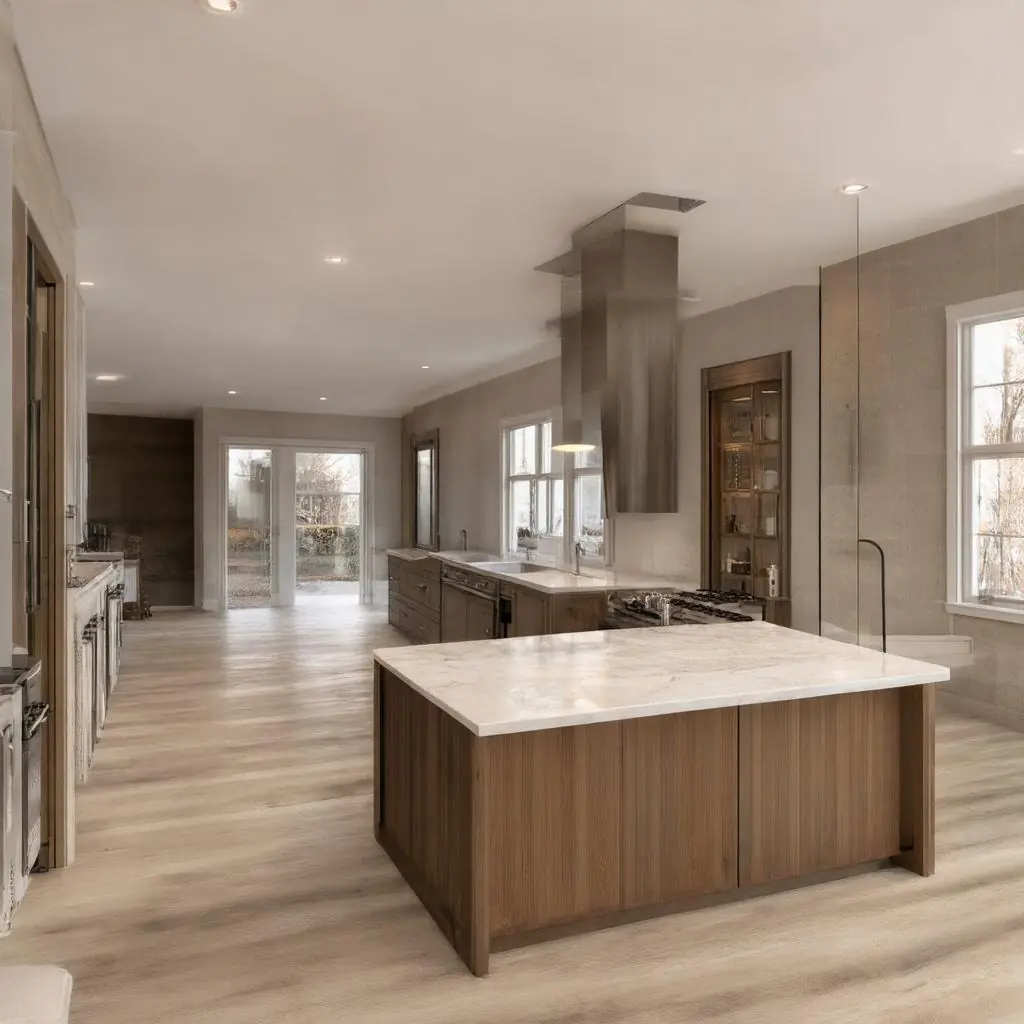
Quality craftsmanship goes beyond attractive finishes. For St. Louis homeowners, it means materials and methods selected for durability in a mixed‑humid climate, code‑compliant assemblies that protect your investment, and precise installation that performs as beautifully as it looks. Whether you are remodeling a kitchen in Chesterfield, a primary bath in Ladue, finishing a basement in Webster Groves, or building a home office in University City, the same principles apply.
-
Materials chosen for the climate. The St. Louis region experiences freeze–thaw cycles, high summer humidity, and significant temperature swings. In practice, this means:
- Tile assemblies employ decoupling membranes and waterproofing systems (e.g., sheet or liquid-applied membranes) to prevent cracking and moisture intrusion.
- Basements receive robust moisture management: perimeter drainage, sump systems where appropriate, capillary breaks, vapor retarders, and insulation strategies that discourage condensation and mold.
- Flooring is specified with stability in mind: engineered hardwood or luxury vinyl plank for below-grade conditions; solid hardwood acclimated and installed with proper expansion spacing above grade.
- Cabinetry uses furniture‑grade plywood boxes, durable finishes, and soft‑close hardware tested for thousands of cycles.
- Plumbing relies on corrosion‑resistant piping (Type L copper or high‑quality PEX with approved fittings), full‑port shutoff valves, and accessible cleanouts.
- Countertops are fabricated with accurate templating and reinforced spans; quartz and porcelain are favored for low maintenance, with sealed natural stone when desired.
- Finishes, adhesives, and sealants are low‑VOC to protect indoor air quality.
-
Methods that respect codes and best practices. St. Louis metro municipalities adopt versions of the International Residential Code and enforce permitting for structural, electrical, mechanical, and plumbing work. Quality craftsmanship means planning to the code in force where you live, then building to or beyond those standards:
- Kitchens are laid out to National Kitchen & Bath Association (NKBA) clearances, with dedicated appliance circuits, GFCI/AFCI protection where required, and properly sized ventilation ducted outside.
- Bathrooms receive fully waterproofed wet zones, sloped shower pans, bonded drains, and movement joints at changes of plane. Exhaust fans are sized and ducted to exterior hoods, not into attics.
- Basements comply with egress and ceiling height requirements; sleeping areas include code‑compliant egress windows or doors.
- Home offices integrate task lighting, sound attenuation, and data cabling, with circuits balanced to avoid nuisance tripping and outlets placed for ergonomic layouts.
-
Precision installation that lasts. Great materials underperform if installed poorly. Look for:
- Laser‑guided layout for cabinetry and tile, tight reveals, scribed fits at out‑of‑plumb walls, and flush transitions between flooring types.
- Tile set with appropriate trowel patterns and leveling systems to minimize lippage, and grout selected for stain resistance (cementitious with sealer, epoxy, or urethane).
- Doors and drawers aligned for consistent reveals; appliances installed to manufacturer tolerances; trims and miters tight and caulked with paint‑grade elastomeric sealants.
- Documented quality checks at key milestones: framing, rough MEP inspections, waterproofing flood tests, and punch‑list sign‑offs.
These standards matter across the metro—in St Louis, Clayton, Creve Coeur, Olivette, Overland, St Charles, Maryland Heights, Wildwood, Valley Park, Sunset Hills, Maplewood, Ballwin, Chesterfield, Ladue, Webster Groves, and University City—because climate, housing stock, and local codes demand both thoughtful specification and disciplined execution.
Plan with precision: complimentary 3D design to align scope, style, and budget
A 3D design is more than a rendering—it is a decision‑making tool that clarifies scope, surfaces trade‑offs, and minimizes surprises during construction. Complimentary 3D planning, paired with a clear estimate, helps you see where every dollar goes before work begins.
What a robust 3D process includes:
- Accurate “as‑built” measurements. The model begins with verified field measurements and photos so existing conditions are faithfully represented—critical for older homes where walls may not be plumb or square.
- Layout alternatives and option sets. Side‑by‑side schemes allow you to evaluate moving a wall versus keeping it, or choosing a peninsula over an island, with cost implications attached to each option.
- Material libraries and real‑world specs. Cabinets, counters, tile, plumbing, and lighting are represented with actual product dimensions so clearances, door swings, and working aisles meet both code and comfort.
- System coordination. The model anticipates mechanical runs, electrical layouts, and structural elements to reduce conflicts in the field.
- Allowances that match your taste. Transparent allowances for finishes (tile, fixtures, lighting) keep the budget flexible and honest, providing room to upgrade selectively without derailing the plan.
How 3D planning protects outcomes:
- Aligns style with function. You validate that the sink is centered on the window, the pantry holds what you buy in bulk, and the home‑office desk avoids glare while supporting dual monitors.
- Improves communication. With a shared visual, designers, trade professionals, and homeowners reference the same details—e.g., cabinet fillers, filler pullouts, or tile terminations—reducing change orders.
- Reduces schedule risk. Fewer surprises mean fewer mid‑project redesigns. Long‑lead items are identified early, and substitutions are planned if needed.
- Supports accessibility and aging‑in‑place. Door widths, turning radii, and curbless shower slopes can be verified in the model before a single tile is set.
Top remodelers in the St. Louis area commonly pair free estimates with complimentary 3D design to facilitate these decisions, giving you a tangible preview of results and a practical roadmap to build them.
Permits, codes, and older‑home realities in the metro
St. Louis’ architectural heritage is an asset—and a responsibility. From brick Victorians in first‑ring suburbs to mid‑century ranches in Maryland Heights and modern builds in Wildwood, you will encounter unique conditions to respect. Plan for:
-
Permits and jurisdictions. Municipalities within St. Louis County and St. Charles County may have different plan review requirements, inspection sequences, and code editions in force. Confirm:
- Which permits are required (building, electrical, plumbing, mechanical).
- Whether stamped drawings or engineered details are needed for structural changes.
- If your property lies in a historic district with design review procedures.
- That your contractor obtains permits in their name and is properly licensed and insured.
-
Health and safety in older homes. Protect your family and tradespeople by following applicable regulations:
- Lead‑safe work practices (EPA RRP) when disturbing painted surfaces in pre‑1978 homes.
- Asbestos testing and, if needed, abatement by licensed professionals before disturbing suspect materials such as floor tiles, mastics, or pipe insulation.
- Electrical updates: replacing knob‑and‑tube or aluminum branch wiring, installing properly sized service panels, and adding GFCI/AFCI protection where required.
- Radon testing for basements and mitigation planning if indicated.
-
Moisture and structure. The region’s expansive clay soils and humidity make water management non‑negotiable:
- Verify foundations and address cracks or movement before finishing basements.
- Design continuous water‑management paths: exterior grading, gutters and downspouts, drainage planes, and interior vapor control.
- Insulate basements with methods appropriate for mixed‑humid climates to prevent condensation behind walls.
- Ventilate attics correctly and air‑seal penetrations to reduce heat loss and moisture accumulation.
-
Practical upgrades that pay dividends in use:
- Right‑sized, quiet bath fans ducted outdoors.
- Make‑up air and effective capture for high‑output cooktops.
- Task, ambient, and accent lighting layered on dimmers.
- Sound control in shared walls and home offices using mineral wool, resilient channels, or sound‑rated drywall.
- Thoughtful storage: deep drawers for pots, pull‑out trays, tilt‑out laundry hampers, and closet systems built to your inventory.
When in doubt, defer to the adopted local code and manufacturer specifications. A strong remodeling partner will handle permitting, coordinate inspections, and document compliance at each stage.
A practical checklist for choosing your remodeler—and local inspiration
Selecting the right professional is the single most important decision you will make. Use this checklist to vet candidates:
-
Credentials and coverage
- Active business license in your jurisdiction.
- General liability and workers’ compensation insurance; certificates issued to you.
- Trade licenses for electrical, plumbing, and mechanical work as required.
-
Planning and transparency
- Complimentary 3D design and a detailed scope of work aligned to drawings.
- Line‑item estimates with clear allowances; change‑order process explained in writing.
- Proposed schedule with procurement lead times addressed.
-
Craftsmanship and quality assurance
- Portfolio of kitchens, baths, basements, and offices comparable to your project.
- References you can contact, ideally in your neighborhood.
- Documented quality checkpoints (e.g., flood tests, insulation inspections) and final punch‑list process.
- Named project manager and communication cadence (weekly updates, site meetings).
-
Compliance and safety
- Permit handling and inspection coordination.
- EPA RRP certification for pre‑1978 homes; asbestos testing policy.
- Jobsite protection plan: dust control, floor coverings, and clean‑up routine.
-
Contracts and protections
- Fixed‑price or cost‑plus contract that spells out inclusions/exclusions.
- Payment milestones tied to progress, not ahead of it.
- Warranty terms on labor and materials; lien‑waiver process with suppliers and trades.
Local inspiration to spark ideas:
- Chesterfield kitchen reimagined. An enclosed 1990s kitchen becomes an open, light‑filled hub by removing a non‑load‑bearing wall, adding a structural flush beam, and installing a quartz‑topped island with dedicated circuits, layered LED lighting, and a high‑performance, exterior‑vented hood.
- Webster Groves bath, built to endure. A 1920s hall bath is rebuilt to the studs with full‑coverage waterproofing, a tiled niche framed to bottle heights, a comfort‑height toilet, heated floors, and a quiet fan ducted to a roof cap—proof that small spaces can feel luxurious and low‑maintenance.
- University City basement with egress and office suite. A damp, underused basement is transformed with perimeter drainage improvements, rigid foam insulation at the foundation walls, a code‑compliant egress window for a guest room, acoustically treated office walls, and durable LVP flooring.
- Creve Coeur primary suite refresh. A dated bath becomes a spa‑like retreat with a curbless shower, linear drain, slab‑style porcelain panels for minimal grout, a thermostatic valve for stable temperature, and custom vanities with built‑in organizers and lighting.
Across St. Louis, Clayton, Ballwin, Creve Coeur, Ladue, Olivette, Overland, St Charles, Maryland Heights, Wildwood, Valley Park, Sunset Hills, Webster Groves, Maplewood, and University City, the path to results that last is the same: choose durable, code‑compliant materials; insist on proven methods; plan in 3D to align scope, style, and budget; and partner with a remodeler whose integrity is evident in both process and product.
When you invest with this level of care, you enjoy spaces that look right, live right, and continue to perform—season after season—in the unique conditions of our St. Louis region.