
In the St. Louis area, heavy summer humidity, clay soils, and intense rain events place basements under constant moisture stress. A successful transformation starts with controlling bulk water, water vapor, and indoor humidity before any finish work begins.
Key measures we recommend:
- Exterior water management
- Ensure gutters are clear and properly sized; downspout extensions should discharge at least 6–10 feet away.
- Regrade to achieve a minimum 6 inches of fall within the first 10 feet from the foundation.
- Where practical, consider exterior foundation waterproofing during other site work.
- Interior drainage and sump systems
- Install or refresh an interior perimeter drain tied to a sealed sump basin.
- Use a high‑quality, quiet pump with a back‑check valve, sealed lid, and a battery backup to protect against storm outages common in our region.
- Route the discharge line to code‑compliant daylight or storm connection; avoid recirculating toward the foundation.
- Vapor control and insulation
- On concrete walls, use closed‑cell spray foam or rigid foam insulation (continuous) to warm the surface and prevent condensation. Avoid fiberglass batts directly against concrete.
- Do not trap moisture with interior polyethylene on framed walls. Opt for assemblies that allow controlled drying inward with appropriate vapor retarders.
- On slabs, use an underlayment with a true vapor barrier rating beneath resilient flooring.
- Dehumidification and ventilation
- Maintain relative humidity around 45–50% in summer. A whole‑space dehumidifier or an HVAC‑integrated solution provides consistent control.
- Ensure bath fans and dryer vents exhaust outdoors; do not terminate into joist bays.
- Radon readiness
- St. Louis sits in a mixed‑risk zone; test both before and after renovations.
- If needed, integrate an active sub‑slab depressurization system; sealing the sump lid and penetrations improves performance.
- Sewer and storm protections
- In older neighborhoods with combined sewers, a backwater valve can reduce the risk of backups during severe storms.
- Keep mechanical rooms accessible and code‑compliant; never conceal critical cleanouts.
This moisture‑first approach preserves finishes, safeguards indoor air quality, and protects your investment over the long term.
Local codes, permits, and safety essentials
A compliant basement is a safe, comfortable basement—and it also preserves resale value. Expressions Remodeling navigates the International Residential Code (as adopted with local amendments) across St. Louis jurisdictions to streamline approvals and inspections.
Core code considerations we verify for you:
- Egress for bedrooms and sleeping areas
- Emergency escape and rescue openings are required for new bedrooms; typical standards include a minimum net clear opening of 5.7 sq ft (5.0 sq ft at grade), minimum clear height of 24 inches, minimum clear width of 20 inches, and a maximum sill height of 44 inches above the finished floor.
- Window wells must provide required clearance and a permanent ladder or steps if deeper than 44 inches.
- Minimum ceiling heights
- Habitable spaces generally require a 7‑foot minimum ceiling. Local amendments may allow beams, ducts, and obstructions to drop to about 6 feet 4 inches in limited areas. We plan soffits and mechanical reroutes to preserve comfortable headroom.
- Stairs and guards
- We confirm tread and riser geometry, handrail continuity, headroom, and guard spacing to current standards for safety and accessibility.
- Electrical and life safety
- Arc‑fault and ground‑fault protection, smoke and carbon monoxide alarms (interconnected), and receptacle spacing per the “6/12 rule” are typical requirements.
- Dedicated circuits for media equipment, gyms, and offices prevent nuisance trips and protect sensitive electronics.
- Energy and moisture codes
- Basement walls in our climate typically require continuous insulation (e.g., R‑10) or an approved cavity approach (e.g., R‑13) with proper vapor control to limit condensation.
Because each municipality may apply unique amendments and inspection sequences, our team confirms requirements with your authority having jurisdiction before finalizing design. This diligence reduces change orders, keeps timetables realistic, and ensures a stress‑free closeout.
Durable finishes that outperform shortcuts
Basements demand materials that tolerate moisture swings, resist wear, and remain attractive for years. We favor assemblies and finishes from top‑tier suppliers that outperform the “big‑box bargain” approach.
Recommended assemblies and finishes:
- Flooring
- Luxury vinyl plank (LVP) or tile with a rigid SPC core for dimensional stability and water resistance.
- Porcelain or ceramic tile in baths, laundry zones, and entries; consider heated floors for comfort.
- Engineered hardwood specifically rated for below‑grade (installed over proper vapor control), when a warm wood look is desired.
- We avoid solid hardwood and low‑grade laminates that swell with moisture.
- Walls and insulation
- Closed‑cell spray foam or rigid foam continuous insulation against concrete; framed walls finished with mold‑resistant gypsum board.
- Cement board and waterproofing membranes (e.g., bonded sheet systems) in wet zones.
- Ceilings
- Smooth drywall ceilings maximize height and a finished look; when extensive mechanical access is beneficial, modern acoustic drop ceilings offer clean lines with serviceability.
- Trim and built‑ins
- PVC or polymer‑coated trims in moisture‑prone areas; furniture‑grade plywoods for custom built‑ins rather than particleboard.
- Plumbing and mechanicals
- Quiet, durable bath fans with exterior termination; fixtures and valves from reputable brands for reliability and parts availability.
Beyond materials, professional installation is decisive. Correct substrate prep, expansion gaps, capillary breaks, and sealed penetrations are small details that prevent big problems. Our crews follow manufacturer specifications precisely, protecting warranties and performance.
Layouts that live well: offices, gyms, media rooms, and guest suites
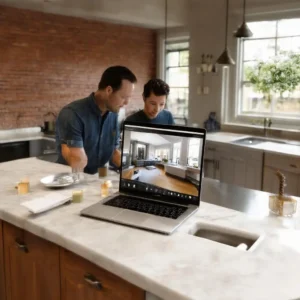
Once the envelope is dry and durable, space planning determines daily enjoyment. Our complimentary 3D design process helps you visualize clearances, furniture placement, and ceiling transitions around beams and columns—so every square foot earns its keep.
Popular, high‑value configurations:
- Productive home office
- Sound‑controlled wall and ceiling assemblies (mineral wool, resilient channels, and a solid‑core door) create focus.
- Data cabling, dedicated circuits, and glare‑controlled lighting enhance comfort and reliability.
- Fitness and wellness zone
- Rubber tile or dense foam flooring, wall protection, strategically placed mirrors, and dedicated ventilation keep the space fresh.
- Blocking inside walls supports racks and cable machines safely.
- Media room
- Pre‑wired 7.2.4 (or chosen) speaker layouts, conduit for future upgrades, dimmable layered lighting, and acoustic treatments elevate the experience.
- Equipment closets with silent cooling preserve aesthetics and performance.
- Guest suite or teen retreat
- A code‑compliant egress bedroom paired with a well‑appointed bath balances privacy and safety.
- Consider a compact coffee or beverage center; plan plumbing runs early to optimize ceiling heights.
- Entertaining and everyday living
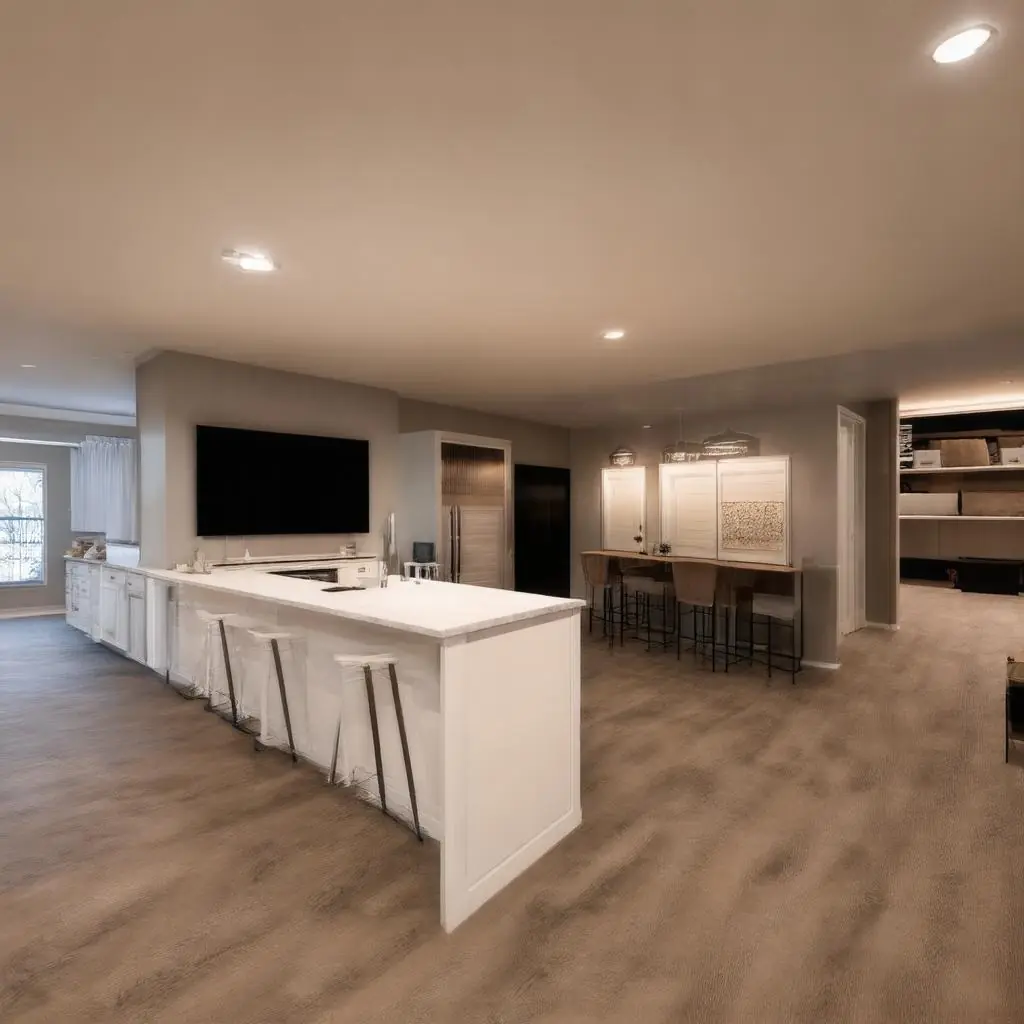
- A wet bar or kitchenette with durable counters, a drawer dishwasher, and undercounter refrigeration extends hosting options.
- Open lounge areas transition to play spaces with built‑in toy or gear storage.
Smart storage and everyday practicality:
- Built‑ins along short foundation walls, under‑stair pull‑outs, and full‑height closets keep clutter at bay.
- A clean, code‑compliant mechanical room with labeled shut‑offs, lighting, and working clearances eases maintenance.
- Consider raised shelving or metal wire racks to protect rarely used items from incidental floor moisture.
Lighting that flatters and functions:
- Shallow, canless LED downlights are ideal under low joists; add wall‑wash and cove lighting to soften the room.
- Choose 3000–3500K, 90+ CRI fixtures for accurate color and a warm, modern feel.
- Layer task lights at desks, vanities, and bars; place most fixtures on dimmers for versatility.
Budgets, timelines, and the Expressions Remodeling process
Transparent planning eliminates surprises. Below are realistic ranges for typical St. Louis projects; final pricing depends on size, scope, material selections, and existing conditions.
Budget tiers (typical 2026 ranges):
- Moisture and safety package: $12,000–$35,000
- Drainage improvements, sealed sump with backup, targeted crack repair, dehumidification, radon mitigation if needed, and a code‑compliant egress window or door.
- Essential finish (600–800 sq ft open plan): $45,000–$75,000
- Insulation and framing, drywall ceilings/walls, LVP flooring, trim, basic lighting, and paint.
- Mid‑range suite (800–1,000 sq ft with bath/bedroom): $85,000–$130,000
- Adds a tiled bath, upgraded lighting, storage built‑ins, and enhanced sound control.
- Premium build (900–1,200+ sq ft with kitchenette, custom millwork, media room acoustics): $130,000–$220,000+
- High‑end tile and fixtures, heated floors, advanced AV wiring, and bespoke cabinetry.
Rule of thumb: Many finished basements in our market fall between $60 and $150 per square foot, excluding extensive structural changes or major exterior work.
Typical timelines:
- Discovery, site assessment, and complimentary 3D design: 1–2 weeks
- Selections, budgeting, and permit submission: 2–4 weeks (jurisdiction‑dependent)
- Construction
- Essential finish: 5–10 weeks
- Suites with bath/kitchenette: 8–14 weeks
- Add 1–3 weeks for significant moisture remediation or structural modifications
How our complimentary 3D design clarifies decisions:
- Visualize ceiling solutions around beams, ducts, and columns before framing.
- Compare flooring, tile, cabinet, and lighting schemes under accurate digital lighting.
- Test furniture layouts, storage clearances, and traffic patterns to reduce change orders.
- Receive a refined scope and selections list, aligning expectations with your budget.
Why quality materials and professional installation protect long‑term value:
- Moisture‑smart assemblies prevent hidden damage, mold, and premature replacement.
- Top‑tier components maintain their appearance and function under below‑grade stresses.
- Manufacturer‑approved installation preserves warranties and reduces lifecycle costs.
- A code‑compliant, well‑documented project enhances appraisal outcomes and buyer confidence.
Expressions Remodeling is built on quality, integrity, and innovation. We provide free estimates, a complimentary 3D design service, and personalized guidance to balance function, style, and budget. Our designers and craftspeople source from trusted suppliers and install to the highest standards—avoiding the low‑cost shortcuts that undermine performance—so your basement remains beautiful and durable for years.
We proudly serve homeowners throughout the region, including St Louis, Chesterfield, Ballwin, Clayton, Creve Coeur, Ladue, Olivette, Overland, St Charles, Maryland Heights, Wildwood, Valley Park, Sunset Hills, Webster Groves, Maplewood, and University City. If you are ready to transform an underused lower level into a dry, modern living space, we invite you to schedule your free estimate and 3D design consultation.