
Planning a luxury kitchen remodel in St. Louis begins with understanding the architectural language of your neighborhood and translating it into a refined, functional design. Whether you live in Ballwin or Maryland Heights, Richmond Heights or Overland, St. Louis City or Sunset Hills, or Ladue, the goal is the same: create a kitchen that elevates daily life while honoring the home’s character and adding long-term value. Expressions Remodeling brings this balance to projects throughout St Louis, Chesterfield, Clayton, Creve Coeur, Ladue, Olivette, Overland, St Charles, Maryland Heights, Wildwood, Valley Park, Sunset Hills, Webster Groves, Maplewood, University City, and beyond.
- Ballwin and Maryland Heights often feature mid-to-late 20th-century layouts that benefit from opened sightlines, improved natural light, and strategic island placement. Clean-lined inset cabinetry and quartzite countertops can modernize these homes without feeling out of place.
- Richmond Heights, Webster Groves, and Maplewood include bungalows and Tudors where craftsmanship is central. Warm wood accents, paneled appliances, and designer lighting with aged brass or blackened steel finishes reinforce authenticity while adding performance.
- Overland and University City blend post-war cottages and historic housing stock. Streamlined storage solutions, durable flooring, and smart appliance suites deliver modern convenience while preserving original trim and window proportions.
- St. Louis City neighborhoods (from historic brick four-squares to city townhomes) reward space-savvy planning. Consider galley or U-shaped layouts with integrated pantry walls, slab backsplashes, and pro-grade ventilation that respects existing masonry.
- Sunset Hills, Wildwood, Valley Park, and Chesterfield often offer generous footprints. Double islands, sculleries, and chef-grade appliances fit naturally; layered lighting ensures intimate ambiance in larger volumes.
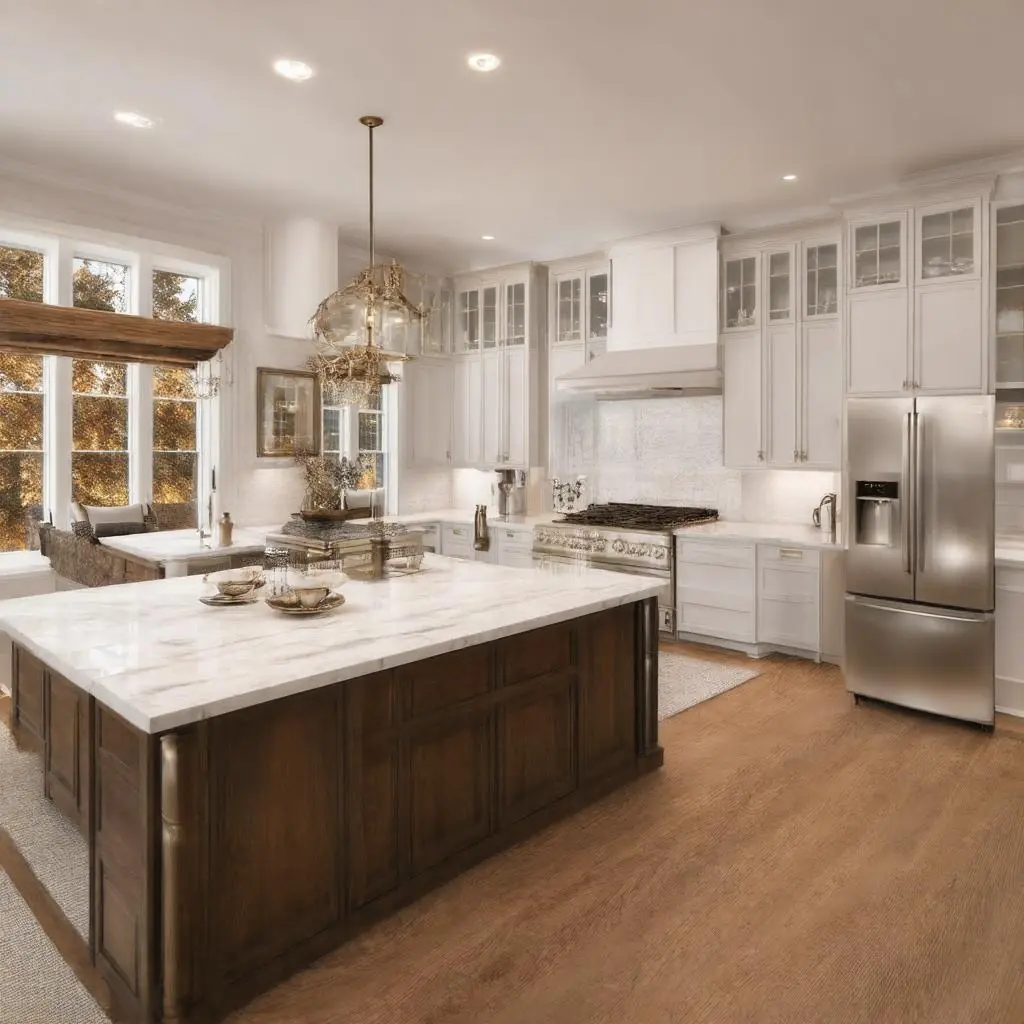
- Ladue, Clayton, Creve Coeur, Olivette, and St Charles present a mix of elegant estate homes and refined suburban properties. Inset cabinetry, natural quartzite, statement range hoods, and custom millwork create a timeless, high-end aesthetic aligned with the area’s architectural pedigree.
The neighborhood informs the style, but the homeowner sets the standard. A luxury remodel is successful when it aligns premium materials and craftsmanship with a clear plan for how the space works—morning to night, weekday to weekend, season to season.
Materials, Layouts, and Must‑Have Systems for a High‑Performance Luxury Kitchen
Premium materials do more than look beautiful; they support longevity and daily function. Pair them with a layout engineered for cooking, entertaining, and storage, and you achieve the essence of luxury: effortless use.
-
Surfaces built for elegance and durability:
- Quartzite countertops provide natural veining with superior heat and scratch resistance compared with many marbles.
- Large-format porcelain or sintered stone offers seamless waterfall edges, slab backsplashes, and easy maintenance.
- End-grain or wide-plank oak islands add warmth and tactility, balanced by stone on primary worktops.
-
Cabinetry that performs:
- Inset cabinetry with furniture-grade construction delivers crisp reveals and enduring rigidity.
- Custom interiors—dovetailed drawers, soft-close hardware, and integrated organizers—keep daily tools exactly where needed.
- Panel‑ready refrigeration, dishwasher, and warming drawer fronts maintain visual continuity.
-
Designer lighting with layered control:
- Ambient: recessed or cove lighting sets a calm foundation.
- Task: under-cabinet and in-cabinet lighting illuminate prep and storage zones.
- Accent: sculptural pendants over islands and dining nooks provide focal points; art lighting highlights niches and open shelving.
- Smart dimming scenes transition from family breakfast to evening entertaining.
-
Functional layouts that maximize flow:
- Island-centric kitchens excel when aisles are 42–48 inches for comfortable circulation.
- Zone planning outperforms the traditional work triangle in larger spaces: define prep, cooking, baking, coffee, and cleanup areas with dedicated storage and power.
- In compact St. Louis City homes, a galley or L-shaped layout with a narrow, high-function island can deliver premium performance without crowding.
-
Must-have upgrades for luxury performance:
- Integrated storage: custom pantry walls, toe-kick drawers, tray and spice pullouts, corner solutions, and built-in recycling centers reduce countertop clutter.
- Pro-grade ventilation: a properly sized hood (often 600–1200 CFM depending on equipment and cooking style) paired with make-up air solutions as required by local codes protects indoor air quality and cabinetry finishes.
- Smart appliance suites: induction ranges, steam and combi ovens, column refrigerators and freezers, and connected dishwashers elevate daily use; app-based diagnostics and remote monitoring simplify maintenance.
- Water and power enhancements: pot fillers where appropriate, filtered water taps, dedicated circuits for high-draw appliances, and strategically placed USB/Type-C outlets inside drawers and appliance garages.
- Flooring for real life: engineered white oak for warmth, large-format porcelain for durability, or luxury vinyl in high-traffic family homes that want quiet underfoot without compromising aesthetics.
A luxury kitchen should not merely showcase exquisite materials. It should make cooking simpler, storage smarter, air cleaner, and entertaining more fluid—day after day.
Budget, Timeline, and Municipal Permitting: What to Expect Across St. Louis
Understanding cost drivers, realistic schedules, and permitting nuances helps keep a high-end remodel on track. While each home and municipality is unique, the following guidelines apply broadly throughout Ballwin, Maryland Heights, Richmond Heights, Overland, St. Louis City, Sunset Hills, Ladue, and neighboring communities such as Chesterfield, Clayton, Creve Coeur, Olivette, St Charles, Wildwood, Valley Park, Webster Groves, Maplewood, and University City.
-
Primary cost drivers:
- Structural changes: removing load-bearing walls, adding beams, reconfiguring windows and doors, or vaulting ceilings.
- Utility relocations: moving gas, water, and electrical service; upgrading panels or adding subpanels for modern appliance loads.
- Cabinetry and millwork: fully custom inset cabinetry, paneled appliances, and built-in banquettes or sculleries.
- Appliance package: professional ranges or induction suites, panel-ready columns, steam ovens, and specialty refrigeration (wine, beverage, or undercounter units).
- Surfaces and finishes: natural quartzite slabs, full-height slab backsplashes, premium hardware, and designer lighting.
- Ventilation and makeup air: properly sized, code-compliant systems, especially in tightly sealed or larger homes.
-
Typical timeline expectations:
- Design development and 3D visualization: 2–6 weeks, depending on scope and decision pace.
- Procurement and lead times: 4–10 weeks for custom cabinetry, specialty appliances, and stone; some items may require longer.
- Construction: approximately 6–12+ weeks for a full gut-and-rebuild luxury kitchen, scaling with structural changes, inspections, and complexity.
- Scheduling note: Align demolition with cabinet and appliance lead times to avoid extended downtime; early approvals keep momentum.
-
Permitting considerations by municipality:
- Most jurisdictions within St. Louis City and County require building permits for structural modifications, electrical and plumbing permits for system work, and mechanical permits for ventilation changes.
- Historic and design review may apply in parts of University City, Webster Groves, Richmond Heights, and St. Louis City historic districts for exterior alterations; interior-only kitchen remodels still follow building, electrical, plumbing, and mechanical codes.
- Communities such as Clayton, Ladue, and Creve Coeur may have additional plan review or documentation standards; larger estates in Ladue often require detailed drawings and coordination.
- Suburban municipalities including Ballwin, Chesterfield, Maryland Heights, Olivette, Overland, Sunset Hills, Valley Park, Wildwood, and St Charles each maintain their own permitting processes and inspection schedules.
- HOA approvals can be necessary in certain neighborhoods; coordinate HOA timelines alongside municipal approvals.
Expressions Remodeling manages permitting coordination, inspection scheduling, and documentation, helping ensure compliance while minimizing disruptions. Because requirements evolve, homeowners benefit from early conversations with both their remodeling partner and the local building department to confirm current submittal standards, fees, and inspection milestones.
From Concept to Construction: How Expressions Remodeling Brings Clarity and Value
Luxury outcomes depend on a transparent design process and precise execution. Expressions Remodeling anchors each project with two services that reduce uncertainty from day one:
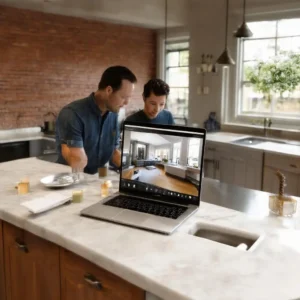
- Complimentary 3D design: Photorealistic renderings translate ideas into clear visuals. Clients can review multiple layouts, materials, and lighting concepts before construction, align the plan with the home’s character—whether in Ladue, Sunset Hills, or St. Louis City—and finalize details with confidence.
- Free estimate: A detailed scope and line-item cost outline highlights value and identifies cost drivers early, enabling informed choices that align with budget and goals.
Quality assurance sits at the core of delivery. The team specifies top-tier materials, partners with reliable professional installers, and avoids generic, low-grade products that compromise longevity. This approach—combined with attentive customer service—supports design integrity and long-term satisfaction, whether the project is a chef’s kitchen in Chesterfield, a period-sensitive refresh in Webster Groves, or a modern transformation in Maplewood, Overland, or St Charles.
Use the following concise checklist to move from inspiration to a build-ready plan that maximizes value:
- Define your priorities:
- List daily must-haves (seating count, storage types, appliance preferences) and aspirational features (scullery, coffee station, secondary dishwasher).
- Identify non-negotiables (induction vs. gas, panel-ready refrigeration, specific finishes).
- Align with neighborhood character:
- Note key architectural cues—millwork profiles in University City, masonry tones in St. Louis City, or traditional detailing in Ladue—and choose materials and hardware that harmonize rather than compete.
- Confirm layout fundamentals:
- Establish zones (prep, cook, clean, bake, beverage) and ensure sufficient aisle widths, landing spaces beside appliances, and clear circulation paths.
- Choose premium materials and systems:
- Pair quartzite or sintered stone with custom inset cabinetry, layered lighting, and a properly sized pro-grade ventilation system with make-up air as required.
- Plan integrated storage:
- Specify pantry interiors, pullouts, appliance garages, dish drawers, and hidden charging stations to keep surfaces clear.
- Validate budget and schedule:
- Review the free estimate; discuss value levers (cabinet configuration, appliance package, finish tiers) and confirm lead times for custom elements.
- Address permitting early:
- Provide drawings and product cut sheets for municipal review; incorporate any comments before ordering materials.
- Finalize your 3D design package:
- Approve renderings and elevations that show materials, lighting, and appliance panels; lock in the specification set to avoid mid-build changes.
- Prepare the home:
- Set up temporary kitchen solutions, define dust control and site protection measures, and plan for inspection dates.
- Build with confidence:
- Maintain weekly check-ins; verify milestones at rough-in, cabinet set, template, and final; close out with punch list and maintenance guidance.
A luxury kitchen remodel should feel as considered as it looks. By matching premium materials with functional layouts, understanding costs and timelines, respecting municipal processes, and leveraging Expressions Remodeling’s complimentary 3D design and free estimate, homeowners across Ballwin, Maryland Heights, Richmond Heights, Overland, St. Louis City, Sunset Hills, Ladue, Chesterfield, Clayton, Creve Coeur, Olivette, St Charles, Wildwood, Valley Park, Webster Groves, Maplewood, and University City can move from inspiration to a build-ready plan with clarity—achieving a kitchen that is both deeply personal and enduringly valuable.