
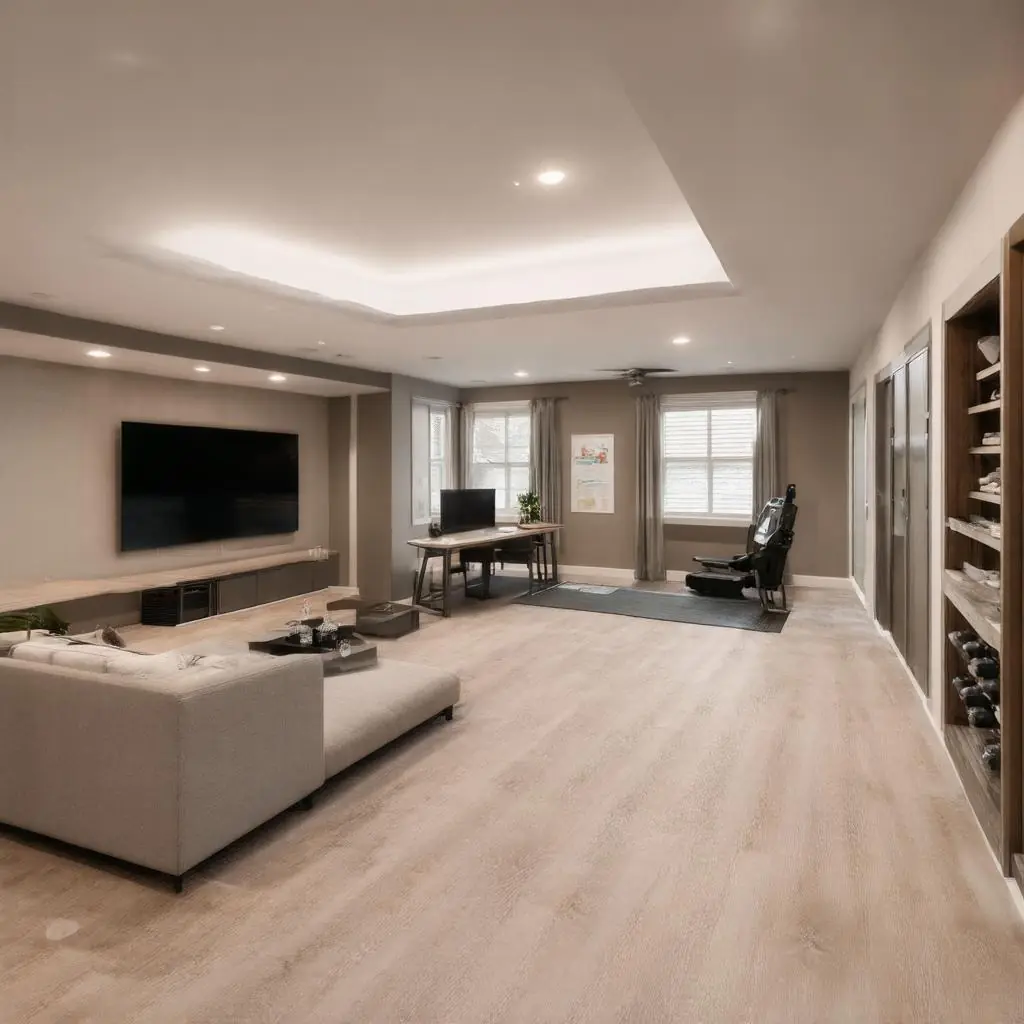
Transforming a lower level into a polished, practical living area in the St. Louis region begins with mastering moisture and meeting code. Our climate—hot, humid summers, wet springs, and freeze–thaw winters—combined with clay‑rich soils creates hydrostatic pressure against foundation walls and consistent vapor drive through slabs. If you address water and air quality correctly at the start, your finished basement will look better, feel better, and last longer.
Moisture‑smart essentials:
- Exterior grading and drainage: Ensure soil slopes away from the home (a minimum 6 inches over the first 10 feet is a common target). Extend downspouts 6–10 feet from the foundation to reduce saturation along the perimeter.
- Drain tile and sump system: Interior or exterior drain tile routes water to a sealed, lidded sump basin. We recommend a high‑quality sump pump with a check valve, dedicated circuit, and battery backup for storm resilience. In cold snaps, a freeze‑guard or proper discharge routing prevents icing.
- Vapor control: A continuous vapor barrier over the slab (when practical) and a smart approach to wall assemblies are critical. Rigid foam insulation (XPS or closed‑cell spray foam) on foundation walls limits condensation risk; avoid fiberglass batts directly against concrete. Add a polyethylene or specialized smart vapor retarder behind finished walls to manage seasonal humidity.
- Dehumidification and ventilation: A whole‑space dehumidifier tied to a drain maintains 40–50% relative humidity. Bathrooms and laundry areas must exhaust outdoors; avoid venting into soffits or the attic.
- Materials that do not mold: Pressure‑treated bottom plates over a capillary break, composite/PVC baseboards, and moisture‑tolerant finishes prevent future headaches.
Health and safety:
- Radon in Missouri: Much of Missouri—including the greater St. Louis area—can present elevated radon levels. Test before finishing; if levels are at or above the EPA action level of 4.0 pCi/L, plan mitigation (often sub‑slab depressurization using a fan and vent stack). Incorporating a mitigation rough‑in during remodeling is cost‑effective insurance.
- Combustion safety: Furnace rooms require proper combustion air and clearances. If converting or enclosing mechanical rooms, plan for code‑compliant ventilation and access for service.
Expressions Remodeling integrates moisture diagnostics, radon testing coordination, and building‑science‑informed assemblies into every basement plan. Our focus on high‑quality materials and expert installation helps your project perform as well as it looks—across St. Louis, Chesterfield, Ballwin, Clayton, Creve Coeur, Ladue, Olivette, Overland, St Charles, Maryland Heights, Wildwood, Valley Park, Sunset Hills, Webster Groves, Maplewood, and University City.
Layouts That Live Large: Home Offices, Guest Suites, Media Rooms, and Gyms
A basement remodel succeeds when circulation, light, and acoustics are thoughtfully planned. Our complimentary 3D design service lets you preview and refine these elements before work begins.
- Home offices: Place offices near natural light—adjacent to an egress window—while using pocket doors or glass panels to borrow daylight from adjacent rooms. Integrate sound insulation (mineral wool in walls, solid‑core doors), dedicated data ports, and adjustable task lighting. Consider built‑ins for filing and shelving to preserve floor space.
- Guest suites: A legal bedroom requires compliant egress. Add a closet, place the bed to optimize headroom, and include a bathroom with a quiet, properly vented exhaust fan. Acoustic separation from media areas enhances comfort. For plumbing below the sewer line, a sewage ejector or up‑flush system may be required; planning early avoids last‑minute costs.
- Media rooms: Pre‑wire for 5.1, 7.1, or Atmos. Use dimmable, layered lighting with minimal glare. Add acoustic treatments—mineral wool insulation, resilient channel, and strategic soft finishes—to improve sound quality and reduce sound transfer to upper floors. A ventilated equipment closet keeps components cool and discreet.
- Home gyms: Select durable flooring (rubber tile, LVP with a robust wear layer, or porcelain tile with anti‑slip finish). Reinforce walls for racks or mirrors, add dedicated outlets for cardio equipment, and provide extra ventilation or a dehumidifier mode to manage perspiration‑driven humidity.
Strategies for low ceilings and ductwork:
- Map obstructions in 3D: Our team models joists, beams, and duct chases to rationalize bulkheads, keeping sightlines clean.
- Optimize headroom: Use slim LED wafer downlights, flat HVAC registers, and carefully routed trunk lines. Consider a “tray” or “cloud” ceiling design to conceal ducts while preserving height in primary zones.
- Access where it matters: When choosing drywall ceilings for a refined look, include discrete access panels for valves and junctions. In utility corridors, an upgraded acoustic tile system can deliver quiet performance and future access.
Durable, Beautiful Finishes for Real‑World Basements
Basements demand finishes that balance style, durability, and moisture tolerance. Expressions Remodeling specifies top‑tier materials and craftsman installation to protect your investment.
- Flooring: Luxury vinyl plank (LVP) with a waterproof core and porcelain tile are our go‑to options. Where thermal comfort is a concern, insulated subfloor panels can reduce slab chill. If you prefer the softness of carpet, consider low‑pile carpet tiles with moisture‑resistant backings and area rugs over hard surfaces.
- Walls and ceilings: Use mold‑resistant drywall (often labeled “purple” board) in living areas and cement backer board around showers and wet walls. Resilient channels and double drywall with damping compound can dramatically reduce noise. Paint with high‑quality, washable finishes to handle everyday wear.
- Cabinetry and millwork: Moisture‑tolerant cabinet boxes, sealed edges, and composite or PVC trims at the floor line resist swelling. Solid‑surface, quartz, or porcelain counters perform excellently in bars and laundry areas.
- Baths and wet bars: Choose porcelain or large‑format tile for showers and floors. Install high‑quality plumbing fixtures with scald‑guard and pressure‑balancing valves. Quiet bath fans ducted outdoors protect finishes and air quality.
Acoustic upgrades for a serene home:
- Decouple assemblies (staggered studs or resilient channel), insulate with mineral wool, and use solid‑core doors with perimeter seals.
- Line HVAC returns and add duct silencers where appropriate to minimize system noise.
- Float media‑room floors or build risers with acoustic isolation if theater performance is a priority.
Codes, Egress, and Permits: Building It Right in St. Louis
A code‑compliant basement is safer, more valuable, and easier to insure. While local jurisdictions may amend the International Residential Code (IRC), several principles are consistent in the St. Louis area. Always verify specifics with your local building department; our team manages permitting and coordinates inspections for you.
Common requirements to plan for:
- Egress for bedrooms: Basements with sleeping rooms must include an emergency escape and rescue opening. Typical IRC guidelines include a net clear opening of at least 5.7 sq. ft. (5.0 sq. ft. at grade level), with a minimum opening height of 24 inches and width of 20 inches, and a sill height not more than 44 inches above the floor. Window wells need adequate size (commonly at least 9 sq. ft. with a 36‑inch minimum projection), plus a ladder if deeper than 44 inches.
- Ceiling height: Most codes require a minimum 7‑foot ceiling height in habitable spaces, with localized allowances for beams and ducts. We use layout strategies and lighting to preserve perceived height across the plan.
- Smoke and CO alarms: Interconnected smoke alarms are required; carbon monoxide alarms are typically required outside sleeping areas and on each floor when any fuel‑burning appliance or attached garage exists.
- Electrical and plumbing: Expect GFCI/AFCI protection in finished areas, appropriate circuit sizing for media equipment and gyms, and plumbing venting that meets code. Bathrooms below sewer level require an ejector pump with backwater protection.
- Mechanical spaces: Maintain clearances and combustion air requirements, and provide service access to all equipment.
Permitting timeline and coordination:
- Expressions Remodeling prepares code‑compliant plans, submits permit applications, and schedules inspections. We collaborate with St. Louis City and County officials (and neighboring municipalities) to keep your project moving while meeting all requirements.
Budgeting, Timelines, and How Our Free 3D Design and Estimate Clarify Your Path
Transparent planning controls cost, improves communication, and shortens construction time. Our inclusive pricing approach—free estimate plus complimentary 3D design—helps you visualize choices and lock in a tailored scope before demolition starts.
What drives your budget:
- Scope and complexity: Adding a bathroom, wet bar, or egress window increases cost. Sound isolation for a theater, custom built‑ins, and rerouting major ductwork also add investment.
- Moisture management: Interior drain tile, sump upgrades, radon rough‑in or mitigation, and rigid foam insulation are smart, long‑term value items that protect finishes and indoor air quality.
- Electrical and low‑voltage: Pre‑wiring for media, data, and smart lighting ensures clean walls later; it is more cost‑effective during framing than after.
- Finishes: High‑quality LVP, porcelain tile, quartz counters, and custom millwork wear beautifully and minimize maintenance over time.
- Contingency: A 10–15% contingency is prudent in basements, where hidden conditions (older plumbing runs, sub‑slab surprises) can emerge.
Typical timeline for a streamlined project:
- Discovery and 3D design: 1–3 weeks. We measure, model your space, and present renderings and material palettes so you can make confident decisions.
- Permitting and procurement: 2–6 weeks, depending on jurisdiction and lead times for selected finishes and fixtures.
- Construction: 6–10+ weeks for many basements, influenced by square footage, presence of a bathroom or egress window, and specialty features like theaters or gyms.
- Closeout: Final inspections, punch list, and handover. We walk you through systems (dehumidifier settings, sump maintenance, radon fan operation if applicable) to ensure long‑term performance.
How the complimentary 3D design and free estimate help you decide:
- Visual clarity: Compare alternate layouts—guest suite vs. office suite, full bar vs. kitchenette—and see how ceiling treatments or bulkheads impact sightlines.
- Scope alignment: Lock in the right waterproofing package, acoustic strategy, and finish set for your goals and budget.
- Fewer surprises: Early coordination of plumbing and HVAC, egress planning, and code checkpoints reduces changes during construction.
- Investment confidence: With pricing attached to a defined scope and high‑quality specifications, you know exactly what you are building and why.
At Expressions Remodeling, our reputation in St. Louis is built on quality, integrity, and innovation. We source from top‑tier suppliers, avoid cut‑rate materials that fail early, and pair craftsmanship with responsive, personalized service. Whether you are in St. Louis, Chesterfield, Ballwin, Clayton, Creve Coeur, Ladue, Olivette, Overland, St Charles, Maryland Heights, Wildwood, Valley Park, Sunset Hills, Webster Groves, Maplewood, or University City, we are ready to transform your basement—from cellar to showpiece—into a moisture‑smart, code‑compliant space tailored to the way you live.