
When you plan a remodel in the St. Louis area, quality is the difference between a project that delights for decades and one that disappoints within a year. As a homeowner, you need clear, practical criteria to evaluate craftsmanship—well before demolition begins. The following checklist draws on proven standards for kitchens, bathrooms, basements, and garages, and it highlights how a complimentary 3D design process clarifies scope, materials, and costs. It also addresses local considerations such as basement moisture control and egress requirements, helping you balance style, function, and budget with confidence across St. Louis, Chesterfield, Ballwin, Clayton, Creve Coeur, Ladue, Olivette, Overland, St Charles, Maryland Heights, Wildwood, Valley Park, Sunset Hills, Webster Groves, Maplewood, and University City.
What Quality Craftsmanship Looks Like: Room by Room
-
Kitchen
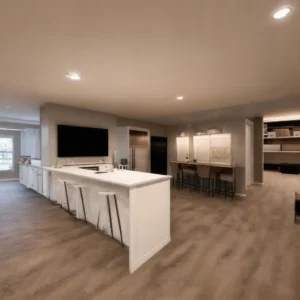
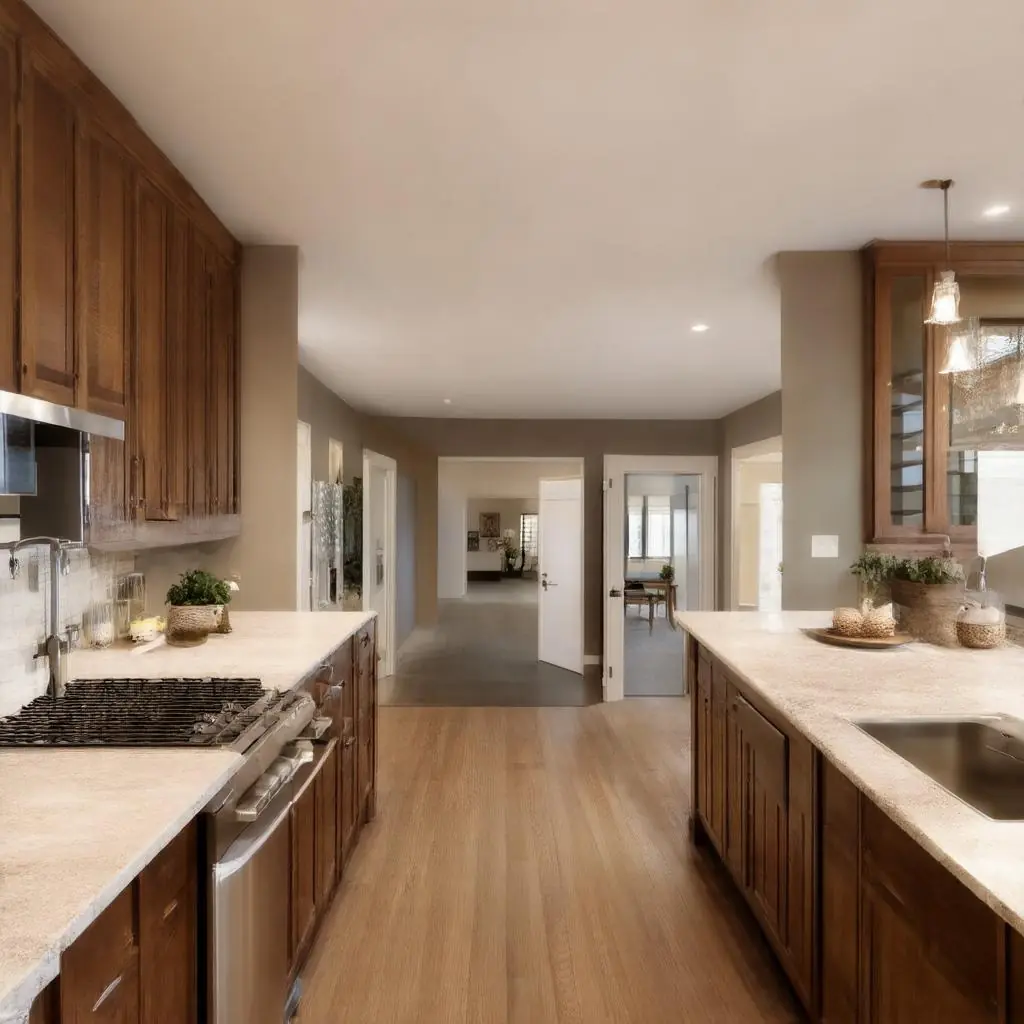
- Cabinet construction: Look for furniture-grade plywood boxes, solid wood dovetail drawer boxes, soft-close, full-extension slides, and soft-close hinges. Face frames and doors should be consistent in grain and finish, with edge banding that matches seamlessly. Quality installation shows in even reveals, true level and plumb across long runs, and scribed filler pieces for a tight fit to walls.
- Countertops: Professional templating minimizes seams and ensures proper overhangs, end panels, and clearances for appliances. Seams—if required—should be flat, tight, and color-matched. Undermount sinks require mechanical fastening and an even bead of sealant; supports are added for heavy spans.
- Tile and backsplash layout: A centered, symmetrical layout with minimal sliver cuts signals care. Grout joints are consistent, grout is fully packed and sealed when appropriate, and movement joints are included where needed.
-
Bathroom
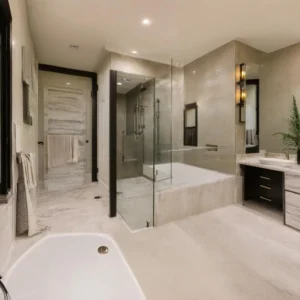
- Waterproofing: A true waterproofing system underlies beautiful tile. Ask for a continuous, inspected membrane (liquid or sheet) on shower floors and walls, pre-sloped pans, properly flashed niches and benches, and a flood test before tile is set. Corners, seams, and penetrations should be reinforced.
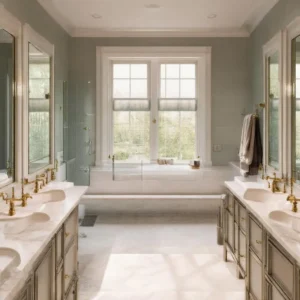
- Plumbing and ventilation: Valves and trims align perfectly; penetrations are tight with proper escutcheons. Quiet, adequately sized bath fans vent to the exterior, not an attic. All fixtures are set square and sealed neatly.
- Tile and glass: Large-format tile requires flat substrates; lippage should be negligible. Shower glass should be measured after tile is installed and anchored into framing where needed.
-
Basement
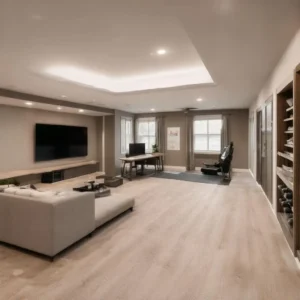
- Moisture management: In St. Louis, controlling moisture is essential. Quality work includes vapor barriers where appropriate, moisture testing of slabs prior to flooring, dehumidification strategies, and proper wall assemblies that resist condensation and mold.
- Subfloor and framing: Uneven slabs are addressed with grinding or leveling compounds. Bottom plates are pressure-treated where they contact concrete, with continuous sill sealing. Insulation and air sealing are detailed at rim joists and utility penetrations.
- Egress and safety: Any sleeping area requires compliant egress windows or doors. Window wells include proper drainage and code-compliant ladders or steps.
-
Garage
- Flooring and storage: Slip-resistant, chemically resistant epoxy or polyaspartic coatings start with meticulous surface prep (grinding, crack repair, moisture mitigation if needed). Built-in storage is secured to structure, with load rating considered.
- Electrical and lighting: Bright, efficient fixtures with adequate circuits for tools and EV chargers. GFCI/AFCI protection is used where required, and receptacles are placed for practical workflows.
Across all spaces, “clean” electrical and plumbing work stands out: neat conduit and cable runs, properly secured piping, labeled shutoffs, tidy panels, and penetrations sealed against air and pests. Permits are obtained, inspections passed, and documentation is provided to you at closeout.
The Homeowner’s Checklist: Questions That Reveal Quality
Use the following questions during consultations and bids. Clear answers now prevent costly change orders later.
-
Scope and design
- Can you provide a detailed scope of work with room-by-room drawings and elevations?
- Will you produce a complimentary 3D design so I can review layouts, material options, and price impacts before we start?
- How will you handle structural changes, ventilation, and code compliance for kitchens, baths, and basements?
-
Materials and suppliers
- Which cabinet line(s) and construction specs are included (box material, drawer construction, hinges/slides)?
- What tile brand, thickness, and setting materials will you use, and how will you waterproof wet areas?
- Which flooring system is specified, and how will you test/prepare the subfloor?
- Do your quotes name brands, SKUs, and finishes, not just “allowances”? May I see physical samples?
- Do you source from top-tier suppliers, and can you provide documentation for material warranties?
-
Craftsmanship and installation
- Who will be on site daily, and who supervises quality? Are installers specialized for each trade?
- What is your process for layout checks (cabinet reveals, tile centering, fixture alignment) before installation proceeds?
- How do you protect our home—dust containment, floor protection, daily clean-up?
-
Compliance and risk management
- Are you licensed and insured for work in St. Louis and municipalities such as Chesterfield, Ballwin, Clayton, Creve Coeur, Ladue, Olivette, Overland, St Charles, Maryland Heights, Wildwood, Valley Park, Sunset Hills, Webster Groves, Maplewood, and University City?
- Who pulls permits and coordinates inspections? Will I receive copies?
- How do you address basement egress requirements and moisture control in design and construction?
-
Schedule, budget, and communications
- What is the start date, duration, and milestone schedule?
- How are change orders documented and priced? What is your policy on unforeseen conditions?
- What is the payment schedule tied to milestones? Will you provide lien waivers?
- Who is my primary point of contact, and how often will we review progress?
-
Closeout and aftercare
- What warranties cover labor and materials? What is your punch-list process?
- Will you provide a project closeout package with manuals, care guides, paint colors, and inspection records?
A strong contractor will welcome these questions and answer with specifics—not generalities.
How a Complimentary 3D Design Clarifies Costs and Choices
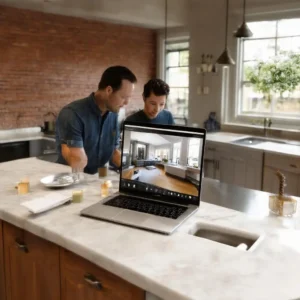
A well-run 3D design process is more than a rendering; it is a decision engine that aligns scope, aesthetics, and budget:
- Visual clarity: See cabinet lines, appliance clearances, tile layouts, and lighting layers at scale. You can evaluate traffic flow, sight lines, and storage capacity before you commit.
- Option testing: Compare finish packages—e.g., quartz versus natural stone, full-height splash versus wainscot, walk-in shower versus tub. Each option includes accurate material counts for apples-to-apples pricing.
- Cost transparency: By locking in specific materials and quantities, you avoid vague allowances that cause budget creep. Substitutions are priced openly, so value-engineering becomes a choice, not a surprise.
- Buildability check: Designers and installers collaborate to confirm framing, mechanicals, waterproofing details, and code implications. Problems are solved on screen before they surface on site.
- Schedule alignment: Lead times for custom cabinets, specialty tile, or glass are integrated into the plan to protect your start and finish dates.
For homeowners, the payoff is confidence. You know exactly what you are buying, how it will look, and what it will cost. This is why partnering with a contractor who offers free estimates and a complimentary 3D design can streamline decisions and reduce stress from day one.
St. Louis–Specific Considerations You Should Not Overlook
- Moisture and foundations: Our region’s clay soils and seasonal humidity make basements vulnerable. Ask how your contractor will combine exterior grading improvements with interior measures such as vapor barriers where appropriate, sealed sump pits, perimeter drains, dehumidification, and insulated rim joists to deter condensation and mold.
- Egress and life safety: Converting a basement room to a bedroom requires a code-compliant egress window or door with an adequately sized well, ladder/steps, and proper drainage. Expect permits and inspections; professional installation protects both safety and home value.
- Subfloor preparation: St. Louis basements and older homes often present out-of-level slabs or joists. Quality prep may include self-leveling compounds, shimming, or new underlayment to meet flatness tolerances for large-format tile and luxury vinyl plank.
- Electrical and plumbing updates: Older housing stock in neighborhoods like Webster Groves, Maplewood, and University City may need panel upgrades, GFCI/AFCI protection, or repiping. Clean, code-compliant work with permits and inspections is non-negotiable.
- Historic and architectural context: In communities such as Clayton, Ladue, and Creve Coeur, renovations should respect existing architecture—matching millwork profiles, finishes, and proportions—while discreetly integrating modern systems for comfort and efficiency.
- Garage performance: Winters and freeze-thaw cycles demand resilient floor systems and thoughtful drainage. Proper surface prep, moisture testing, and high-quality coatings prevent peeling and hot-tire lift.
Local experience matters. Municipal permitting and inspections can vary across Chesterfield, Ballwin, Olivette, Overland, St Charles, Maryland Heights, Wildwood, Valley Park, Sunset Hills, and St. Louis city. A seasoned remodeling team will navigate requirements efficiently and keep your project on track.
Balancing Style, Function, and Budget—with Confidence
Achieving the right balance starts with clear priorities and honest specifications. Define must-haves versus nice-to-haves, then use 3D design to test combinations until the design, materials, and price align. Demand named products, documented installation methods, and a tidy jobsite. Expect transparent scheduling, milestone-based payments, and a thorough closeout.
Expressions Remodeling operates on these principles: high-quality materials from trusted suppliers, professional installation by specialized craftspeople, personalized service, and tailored design solutions. We do not cut corners with generic, low-cost substitutes, because lasting value comes from integrity and innovation at every step. Our free estimates and complimentary 3D design help you visualize, compare, and commit with clarity—so there are no surprises, only results.
If you are planning a kitchen, bath, basement, or garage remodel in St. Louis, Chesterfield, Ballwin, Clayton, Creve Coeur, Ladue, Olivette, Overland, St Charles, Maryland Heights, Wildwood, Valley Park, Sunset Hills, Webster Groves, Maplewood, or University City, consider this your starting point. Bring your wish list, set your budget, and expect demonstrable quality. With the right checklist—and the right partner—remodeling is done right the first time.