

Yes, reputable contractors routinely offer free, no-obligation in-home remodeling estimates. Before anyone measures a wall, ask for three things: an itemized written scope, a realistic timeline, and proof of licensing and insurance. Everything else in the process, from budget planning to final contract, builds on those three answers.
TL;DR:
- A detailed itemized remodeling estimate should include specific costs for labor, materials, permits, subcontractors, disposal, and design fees to allow accurate comparisons.
- Preparing a comprehensive list of priorities, existing issues, measurements, and budget expectations before the estimator’s visit improves estimate accuracy.
- Asking for proof of licensing, insurance, and a written scope from contractors helps identify trustworthy firms and avoid red flags like verbal quotes or high-pressure tactics.
- Price differences among estimates often stem from scope variations, allowances, or line-item details, making scope alignment essential for proper comparison.
- A free estimate is a planning tool that should be complemented with scheduled inspections, references, and possibly a 3D preview to reduce surprises during construction.
Table of Contents
- What Does a Free In-Home Remodeling Estimate Include?
- How to Prepare for the Estimator Visit
- What Questions Should You Ask a Contractor?
- How Do Contractors Price a Remodeling Project?
- How Do You Compare Multiple Estimates?
- How Expressions Remodeling Handles Free Estimates and 3D Previews
- What I’d Prioritize Before Signing Anything
- Book Your Free In-Home Consultation
- Sources
- FAQ
What Does a Free In-Home Remodeling Estimate Include?
A worthwhile free home estimate is not just a walk-through and a gut-feeling number. It should produce a written record you can compare against other quotes later.
During the visit, a good estimator will identify your priorities, take measurements and photos, and note rough finish selections so pricing reflects your actual project instead of a generic range. From there, the estimate should break into distinct cost categories:
- Labor, broken out by trade or phase
- Materials and finish allowances
- Permit and inspection fees
- Subcontractor costs (electrical, plumbing, HVAC)
- Disposal and site protection
- Design or drafting fees, if 3D previews or drawings are involved
There’s a real difference between a ballpark figure and a detailed itemized estimate. A ballpark number gets tossed out in five minutes and is useful only for deciding whether to keep talking. An itemized estimate takes longer to produce, references specific materials and quantities, and holds up when you’re comparing it line by line against a second or third bid.
How to Prepare for the Estimator Visit
The accuracy of your remodeling quote depends heavily on what you hand the estimator, not just what they measure. A little prep work the day before saves confusion the day of.
- Pull together inspiration photos and rank your priorities into must-haves and nice-to-haves.
- Gather any known measurements, note utility access points, and list existing problems (leaks, cracked tile, outdated wiring).
- Settle on an initial budget range, and if resale value matters to you, weigh it against the 30% rule, which caps total remodel spending at roughly 30% of your home’s current market value.
- Have paperwork ready for any additions, plus HOA restrictions if they apply to your property.
- Clear access to the work areas, secure pets, and flag anything that needs a closer inspection, like an attic or crawl space.
Pro Tip: Take your own photos of problem areas before the visit. Estimators see dozens of homes a month, and a photo with a timestamp jogs both your memory and theirs when the written estimate comes back.
What Questions Should You Ask a Contractor?
The questions you ask during the visit tell you more about a contractor than their pitch does. Push past the sales language and get specifics.
Ask directly: Are you licensed and insured for this type of work? Who manages the job day to day? Can I get an itemized written estimate along with references from recent clients? Then follow up on logistics: What’s included in the timeline and payment schedule, and how are change orders handled once work starts?
Watch for red flags that should end the conversation fast:
- Verbal-only quotes with no written follow-up
- Demands for a large upfront cash deposit before any contract is signed
- High-pressure tactics pushing you to sign on the spot
- No proof of insurance when asked directly
On the other side, trust signals look like written milestones tied to payments, a sample contract you can review before committing, and recent client photos or references you can actually call. A contractor who welcomes that scrutiny is telling you something useful about how they run a job site.
How Do Contractors Price a Remodeling Project?

Once you have two or three estimates in hand, the real work starts: figuring out why the numbers differ. Price gaps usually trace back to four drivers: structural work, mechanical/electrical/plumbing (MEP) upgrades, finish selections, and labor rates.
Pay close attention to allowances versus firm line items. An allowance is a placeholder budget for something like tile or countertops that hasn’t been picked out yet. If one estimate has a low allowance for flooring and another has a firm number tied to an actual product, they’re not really comparable until you align them.
On projects up to $100,000, Realtor recommends a pre-renovation inspection costing $400 to $600 before committing major funds, precisely because demolition tends to reveal problems no estimate anticipated.
That’s also why contractors commonly recommend holding a 10 to 20 percent contingency reserve for hidden conditions found once walls come down. Contract type matters here too: fixed-price contracts shift risk to the contractor, while time-and-materials arrangements shift it toward you.
How Do You Compare Multiple Estimates?
Comparing bids side by side only works if you’re comparing the same project. Scope mismatch is the single biggest reason homeowners think one estimate is “cheaper” when it’s actually just missing items.
- Line up scope parity first. Confirm each estimate covers the same square footage, materials, and phases before looking at the bottom line.
- Check allowances, unit prices, and exclusions individually rather than trusting the total.
- Call the references. Ask about communication, whether the timeline held, and whether the final invoice matched the estimate.
- Confirm who pulls permits and who’s responsible if inspections fail.
- Review the deposit schedule and expected start date. A clear contract with staged payments tied to completed work protects both sides.
Align scopes before you argue about price. A contractor who’s $8,000 higher but included a tile allowance the cheaper bid left out isn’t actually more expensive.
How Expressions Remodeling Handles Free Estimates and 3D Previews
Expressions Remodeling builds its process in St. Louis around understanding what a homeowner actually wants before committing anything to paper, then backing that understanding with detailed craftsmanship across kitchen, bathroom, and basement remodeling, plus custom builds for spaces like home offices and man caves.
Seeing a finished space before construction starts changes how confidently homeowners make decisions on finishes, layout, and budget trade-offs.
That’s the reasoning behind Expressions Remodeling’s complimentary 3D design offering, which lets clients walk through a proposed remodel digitally before a single wall comes down. Client feedback on the company’s pricing and project pages points consistently to reliability and attention to detail as the reason projects stay on track from estimate to final walkthrough.
What I’d Prioritize Before Signing Anything

Book an itemized in-home estimate early in your planning, not after you’ve already fallen in love with a design. A written scope, not a verbal number, is what protects you when memory gets fuzzy three months into a project.
Use a complimentary 3D preview to lock in decisions before construction, when changes are cheap instead of expensive. And hold a 10 to 20 percent contingency no matter how confident the contractor sounds. Confidence doesn’t cover what’s behind the drywall. Check references anyway, even when everything else checks out.
— Kierin
Book Your Free In-Home Consultation
Some remodeling companies offer a complimentary in-home consultation that includes an itemized written estimate and, when it fits your project, a 3D design preview so you can see the remodel before construction starts. That combination gives you something a phone quote never can: a real walk-through of your space paired with a number you can actually compare against other bids.
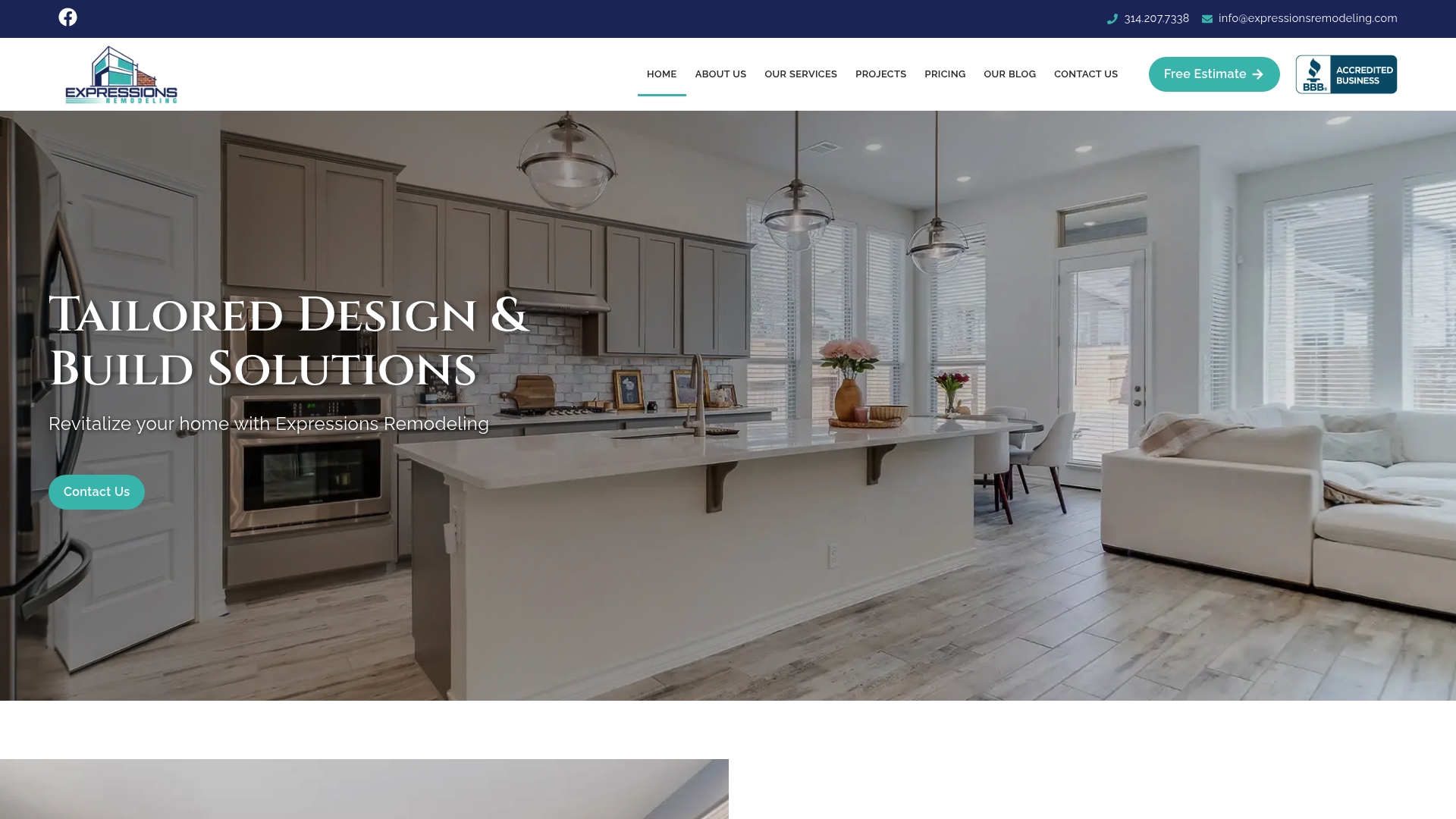
To request a visit, reach out through the services page and have your priority list, rough budget range, and any known problem areas ready to share. Sample project photos and client feedback are posted on the pricing page if you want a sense of past work before you book. If your plans include a kitchen or bathroom, the kitchen and bathroom remodeling guide is worth a read beforehand so your priority list is sharper when the estimator arrives.
Sources
- If You Have $100,000 to Renovate, Here’s What Experts Say to Prioritize
- What Is the 30% Rule for Renovations? Full Answer
- Understanding the cost of a new HVAC system
FAQ
What Is the 30% Rule in Remodeling?
The 30% rule says total remodel spending, including labor, materials, permits, and design fees, generally shouldn’t exceed 30% of your home’s current market value. It’s a budgeting guardrail tied to local comps or an appraisal, not a legal limit.
How Much Remodeling Can Be Done With $100,000?
A $100,000 budget can fund a high-quality kitchen remodel or two mid-range bathroom remodels, according to Realtor.com’s cost breakdown.
What Does a $10,000 Bathroom Remodel Look Like?
At that budget, expect updated fixtures, new flooring, a fresh vanity, and repainted walls rather than a full layout change or custom tile work throughout. Structural moves, like relocating plumbing, usually push costs well past that number once labor and permits are factored in.
Are Free In-Home Remodeling Estimates Binding?
No. A free in-home estimate is a planning tool, not a contract. You’re free to walk away, and a reputable contractor won’t pressure you to sign before you’ve compared it against at least one other itemized quote.
How Long Does the Estimate-to-Contract Process Take?
Most contractors follow a similar flow: initial contact, the in-home visit, a written proposal, then contract signing once scope and price are agreed on. That sequence commonly takes one to three weeks depending on project size and how quickly you compare bids.
Recommended
- See Your Remodel Before Construction Begins with Complimentary 3D Design
- How to Plan a Home Remodel That Balances Style, Function, and Long-Term Value
- St. Louis Homeowner’s Remodeling Quality Checklist: Complimentary 3D Design for Clarity and Cost Control
- See Your Dream Home Before It’s Built: The Benefits of 3D Design in Remodeling