

A home value renovation checklist is a ranked list of improvements designed to maximize your property’s resale value without wasted spending. The difference between a profitable remodel and a money pit comes down to sequencing: fix what appraisers penalize first, then add what buyers pay a premium for. This guide covers the highest-ROI projects, smart budgeting rules, and the cosmetic upgrades that move the needle most, all organized so you can work through them in the right order.
1. Which home improvements deliver the highest ROI?
The projects with the strongest return are often the least glamorous. Garage door replacement leads every major ROI ranking, returning an average of 194% on a roughly $4,500 investment. That means you recoup nearly double what you spend, which no kitchen gut job can match.
Minor kitchen remodels are the next tier worth your attention. A minor kitchen remodel costing $20,000–$28,000 recoups approximately 96% of the investment. The key word is “minor”: new cabinet fronts, updated hardware, a fresh countertop, and modern appliances rather than a full structural overhaul.

Steel entry door replacements and manufactured stone veneer on the exterior also rank near the top. Both improve curb appeal and signal to buyers that the home has been cared for. Curb appeal is not cosmetic vanity. It sets buyer expectations before they walk through the door, and first impressions directly influence offer prices.
Pro Tip: Tackle exterior upgrades before interior ones. Buyers and appraisers form their initial value impression from the street, and a strong exterior makes every interior feature look better by comparison.
2. How interior upgrades affect value and what smart budgeting looks like
Interior renovations carry more risk than exterior ones because costs climb fast and returns shrink. Large renovations often recover only 38–80% of costs, while small, targeted fixes like paint or a new front door consistently outperform massive remodels. That gap is the core argument for a disciplined home improvement checklist.
The 30% rule is the most useful budgeting guardrail available. No single renovation should exceed 30% of your home’s current market value for optimal ROI. On a $300,000 home, that caps any one project at $90,000. Spend beyond that and you are almost certainly over-improving for your neighborhood.
For bathrooms, a midrange remodel typically includes a new vanity, updated tile, a modern toilet, and refreshed lighting. You do not need a spa-grade renovation to move the needle. The goal is to eliminate anything that reads as dated or worn, not to create a showpiece.
- Replace cabinet hardware before replacing cabinets. Hardware costs under $200 and creates a visual refresh buyers notice immediately.
- Choose quartz over granite for countertops. Quartz requires no sealing and appeals to a broader buyer pool.
- Update faucets and light fixtures in bathrooms before touching tile. Fixtures are the first thing buyers see and the easiest to swap.
- Stick to white, gray, or greige for tile and paint. Neutral finishes appeal to broader buyer pools and protect resale value.
Pro Tip: Before budgeting any interior remodel, pull three recent comparable sales in your neighborhood. If updated kitchens in those comps sold for $15,000 more than unupdated ones, that is your ceiling for kitchen spend, not your contractor’s estimate.
Understanding remodeling ROI basics before you sign any contract will save you from the most common budgeting mistakes homeowners make.
3. Why maintenance and structural updates come before cosmetic work
Appraisers do not score homes on style. They assess buyer risk. Deferred maintenance like a faulty HVAC system, an aged roof, or outdated electrical panels lowers appraised value regardless of how beautiful your new kitchen looks. A fresh backsplash cannot offset a roof that needs replacement.
The correct renovation sequence follows a strict hierarchy:
- Foundation and structural integrity. Cracks, settling, or water intrusion must be addressed first. No other upgrade holds value on a compromised foundation.
- Roof condition. A roof with fewer than five years of life remaining is a red flag for buyers and appraisers alike. Replace or document remaining life with a professional inspection.
- HVAC, electrical, and plumbing. These systems are invisible but critical. Buyers request inspection reports, and aged systems trigger negotiated price reductions or deal collapses.
- Windows and insulation. Energy efficiency is a documented value driver. Upgraded windows reduce utility costs and signal a well-maintained home.
- Cosmetic and aesthetic upgrades. Only after the above systems are in good condition should you invest in paint, flooring, fixtures, or staging.
Unpermitted work is a separate risk that homeowners routinely underestimate. Additions or conversions done without permits can trigger mandatory removal orders during a sale, which destroys value and delays closing. Always pull permits, even for work that feels minor.
Over-customization carries the same risk. A converted garage, a niche-themed room, or a highly personalized layout limits your buyer pool and suppresses offers. Standard layouts and neutral finishes protect value by keeping the home accessible to the widest range of buyers.
4. What cosmetic and presentation upgrades boost perceived value quickly
Cosmetic upgrades are the fastest way to shift buyer perception without touching structure. The most effective combination is also the most affordable: deep cleaning, neutral paint, basic landscaping, and professional photography.
Basic landscaping refreshes increase perceived home value by 5–12% at costs between $500 and $3,000. Mulching beds, trimming overgrown shrubs, and adding seasonal color at the entry are the three moves that deliver the most visual impact per dollar spent.
Interior paint is the single highest-leverage cosmetic investment. A full interior repaint in a warm neutral costs $1,500–$3,500 for most homes and eliminates the dated colors, scuffs, and wear that buyers mentally price into their offers. Exterior paint or a thorough power wash achieves the same reset on the outside.
Professional home staging produces measurable results at the offer stage. Staged homes sell for a 5–13% price premium at a cost of $750–$2,800. That return is difficult to beat with any renovation project at the same price point.
Pro Tip: A cost-effective bundle of deep cleaning, landscaping, neutral paint, and professional photography yields high perceived value impact for under $1,000. Run this combination before any showing, open house, or appraisal.
Updated lighting fixtures and new flooring round out the cosmetic checklist. Swapping dated brass fixtures for brushed nickel or matte black costs $300–$800 and modernizes a space instantly. For flooring, luxury vinyl plank is the current standard for value-conscious updates: durable, waterproof, and visually appealing to most buyers.
| Upgrade | Approximate cost | Perceived value impact |
|---|---|---|
| Neutral interior repaint | $1,500–$3,500 | High |
| Basic landscaping refresh | $500–$3,000 | High |
| Professional staging | $750–$2,800 | Very high |
| Lighting fixture swap | $300–$800 | Moderate |
| Luxury vinyl plank flooring | $2,000–$5,000 | High |
For a deeper look at how these upgrades connect to resale value remodeling, the principles behind buyer perception and appraiser scoring are worth understanding before you spend a dollar.
Key Takeaways
The most effective home value renovation checklist prioritizes structural condition first, then high-ROI exterior upgrades, then targeted interior updates, and finally cosmetic presentation before listing.
| Point | Details |
|---|---|
| Garage door leads ROI | A $4,500 garage door replacement returns an average of 194%, the highest of any single project. |
| Maintenance before cosmetics | Appraisers penalize deferred maintenance regardless of cosmetic condition, so fix systems first. |
| Apply the 30% rule | No single renovation should exceed 30% of your home’s current value for a positive return. |
| Minor beats major indoors | Minor kitchen remodels recoup ~96% of cost; large remodels often return only 38–80%. |
| Staging pays for itself | Professional staging costs $750–$2,800 and produces a 5–13% sale price premium. |
What I’ve learned about renovation ROI that most guides won’t tell you
The renovation advice most homeowners follow is backwards. They spend on what they can see and feel, which means kitchens and bathrooms, and they skip the systems that appraisers actually score. I have watched homeowners invest $60,000 in a showroom kitchen only to lose $20,000 in negotiated price reductions because the HVAC was 18 years old. The buyer’s inspector found it in 20 minutes.
The second mistake I see constantly is ignoring documentation. Keeping a market-supported upgrade sheet that records your improvements, their costs, and their efficiency or durability benefits gives your appraiser something concrete to work with. Receipts alone are not enough. An appraiser needs to understand what the upgrade does for the buyer, not just what it cost you.
My honest opinion on over-customization: it is the single most expensive mistake a homeowner can make before a sale. A converted garage, a bold accent wall, or a themed basement room feels personal and valuable to you. To a buyer, it is a problem to solve. Neutral, standard, and broadly appealing always wins in a resale context. Save the personality for your next home.
The renovation hierarchy I follow is simple: condition first, curb appeal second, interior updates third, and staging last. Work through that sequence and you will outperform most sellers in your market without spending more than they do.
— Kierin
How Expressions Remodeling helps St. Louis homeowners renovate for value
Homeowners in St. Louis who want to renovate with resale in mind need a contractor who understands both design and market reality. Expressions Remodeling brings both to every project.
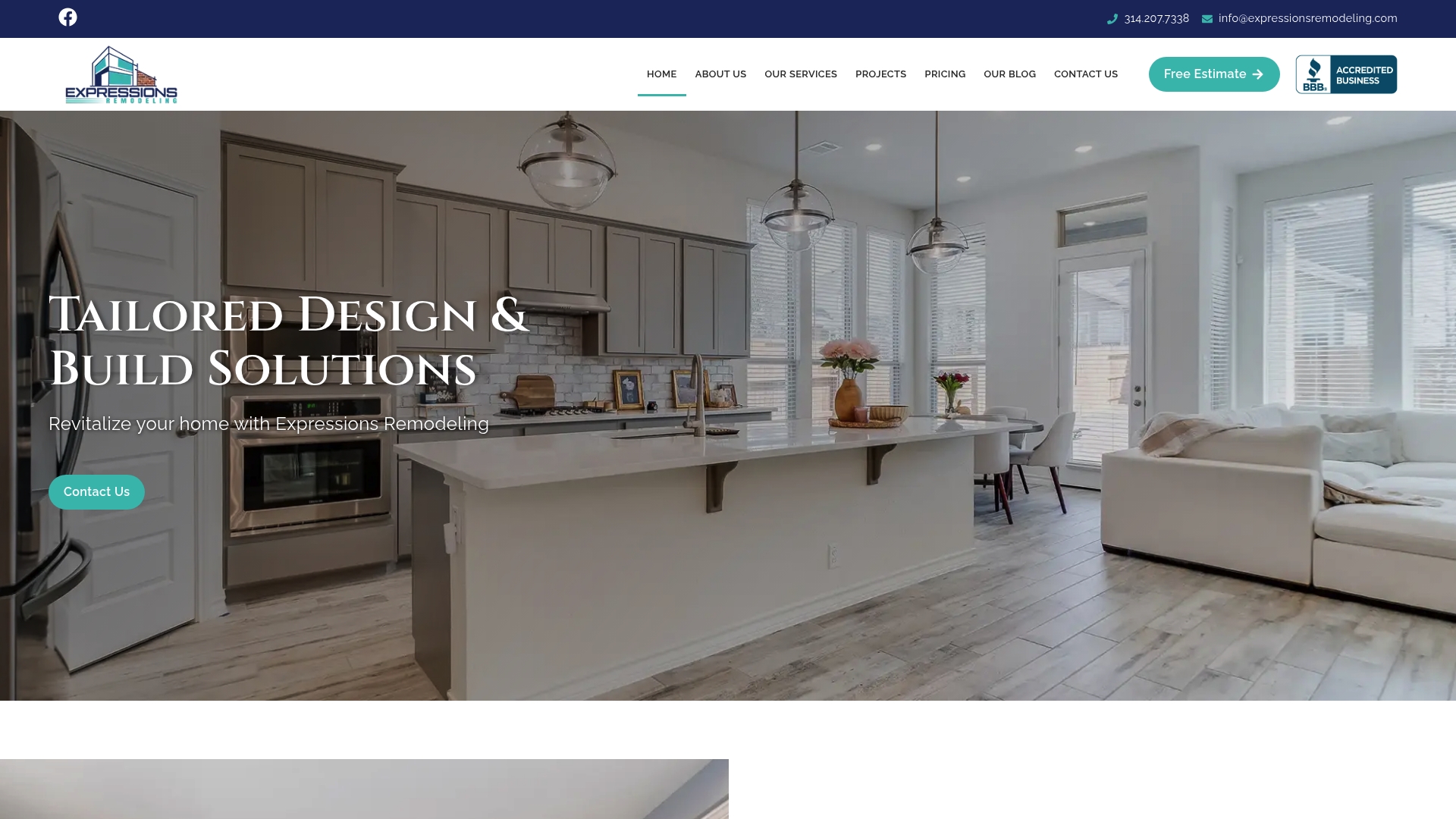
Expressions Remodeling specializes in kitchen, bathroom, and basement remodeling with a focus on market-smart design choices that hold value. Every project includes complimentary 3D design planning so you can see exactly what you are getting before work begins. For homeowners ready to update their kitchen without a full rebuild, the affordable kitchen upgrade options at Expressions Remodeling are built around the same ROI principles covered in this guide. For bathroom updates that move the needle on appraisals, the bathroom upgrade services cover everything from fixture swaps to full midrange remodels. Contact Expressions Remodeling to build a renovation plan that fits your budget and your market.
FAQ
What is the highest-ROI renovation before a home appraisal?
Garage door replacement returns an average of 194% on a $4,500 investment, making it the top-ranked project by ROI. Minor kitchen updates and manufactured stone veneer also rank near the top.
How much should I spend on a single renovation?
The 30% rule states that no single renovation should exceed 30% of your home’s current market value. Spending beyond that threshold typically produces diminishing returns at resale.
Does staging really increase sale price?
Professional staging produces a 5–13% sale price premium at a cost of $750–$2,800. That return outperforms most renovation projects at the same price point.
Should I fix structural issues before updating the kitchen?
Appraisers focus on buyer risk, meaning deferred maintenance on roofs, HVAC, and electrical systems reduces appraised value regardless of cosmetic condition. Address structural and mechanical issues before any cosmetic upgrade.
What neutral colors work best for resale?
Warm whites, light grays, and greige tones appeal to the broadest buyer pools and are the standard recommendation for resale-focused remodels. Avoid bold or highly personalized color choices in any room you plan to sell.