
Energy efficiency raises home sale prices — and the research is specific enough to act on. Freddie Mac’s analysis of RESNET-rated homes found rated homes sold for an average 2.7% premium over comparable unrated homes, with more efficient homes reaching 3–5% premiums.
Three immediate implications for anyone involved in a home sale:
- Homeowners preparing to sell: efficiency upgrades can add measurable value, but only if documented and disclosed properly.
- Buyers: a certified energy score gives you a real cost-of-ownership picture, not just a sticker price.
- Agents and appraisers: without a standardized score or documentation package, most efficiency improvements are invisible to the appraisal process.
Key Takeaways
| Point | Details |
|---|---|
| Documented premiums are real | Freddie Mac found a 2.7% average premium; Berkeley Lab found 0.5% per Home Energy Score point in disclosure markets. |
| Disclosure drives the premium | Efficiency premiums are statistically significant only where scores are disclosed; without documentation, the value is invisible to appraisers. |
| Envelope upgrades first | Insulation and air sealing deliver the best cost-to-value ratio and the most credible appraisal documentation. |
| Documentation is the seller’s job | Certified score, two years of utility bills, contractor receipts, and equipment specs are the package that moves appraisals. |
| Expressions Remodeling | Combines efficiency upgrades with visible remodels in St. Louis, delivering the documentation package sellers need at listing. |
Table of Contents
- How energy efficiency creates value in a home sale
- What the major studies show about measured price premiums
- Which energy-efficiency upgrades most affect resale value
- When will buyers actually pay the premium?
- How sellers and agents should document and market energy efficiency
- Should you renovate for efficiency before selling?
- How a professional remodeler helps you capture energy-efficiency value
- What local buyers in St. Louis actually care about
- Expressions Remodeling helps St. Louis homeowners prepare to sell
- Sources
How energy efficiency creates value in a home sale
The price premium is not magic. It follows a straightforward economic chain.
Lower utility bills are the most direct driver. A buyer who expects to spend $1,800 less per year on energy will, rationally, pay more upfront for that savings. The Berkeley Lab study found that a $100 decrease in estimated annual energy bills correlated with a 0.4% higher sale price in disclosure markets. Buyers are essentially capitalizing future savings into the purchase price.
Comfort and perceived durability matter almost as much. A well-insulated, properly air-sealed home feels different from a drafty one. Buyers notice even when they cannot quantify it. Consistent temperatures, no cold spots, and quieter mechanical systems signal a well-maintained property, which reduces the buyer’s perceived risk of hidden repair costs.
Mortgage performance adds a third layer. The Department of Energy’s summary of the Berkeley Lab research notes that Home Energy Score disclosure was associated with lower odds of 30-day mortgage delinquency. Lower operating costs mean more household cash flow available for the mortgage payment. Lenders are beginning to notice.
Finally, certified scores reduce information asymmetry. Without a score, a buyer has no way to compare the energy cost of one house against another. A Home Energy Score on a 1–10 scale, or a HERS rating from RESNET, gives buyers a standardized number they can trust, which is exactly why the premium appears in disclosure markets and not in markets where no score is required.
Pro Tip: Appraisers respond best to standardized scores (Home Energy Score, HERS), not verbal claims. A score paired with two years of utility bills and contractor receipts is the package most likely to move the needle on an appraisal.
What the major studies show about measured price premiums
The evidence base is now substantial enough to cite with confidence, though the range of premiums reflects real variation in markets and methods.
The Berkeley Lab finding is the most granular: a one-point increase on the 10-point Home Energy Score was associated with a 0.5% higher sale price in jurisdictions with mandatory disclosure. That effect disappeared entirely in markets without disclosure requirements, which tells you something important about the mechanism. The premium is not automatic. It requires the information to reach buyers and appraisers.
ENERGY STAR’s compilation of studies puts the range at 2%–8%, which is wide but honest. The high end reflects markets with strong green buyer demand, high utility costs, and active certification programs. The low end reflects markets where efficiency is valued but not yet priced with precision.
Which energy-efficiency upgrades most affect resale value
Not all efficiency improvements carry equal weight at resale. Here is how they rank, with realistic cost and payback context.
Ranges are approximate national averages; actual costs and savings vary by home size, climate, and local utility rates.
Envelope improvements (insulation and air sealing) deliver the best combination of cost, comfort impact, and appraisal credibility. How insulation affects home value is straightforward: it reduces heating and cooling loads, which lowers bills and improves comfort year-round. Attic insulation and air sealing are also among the least disruptive upgrades to complete before a listing.
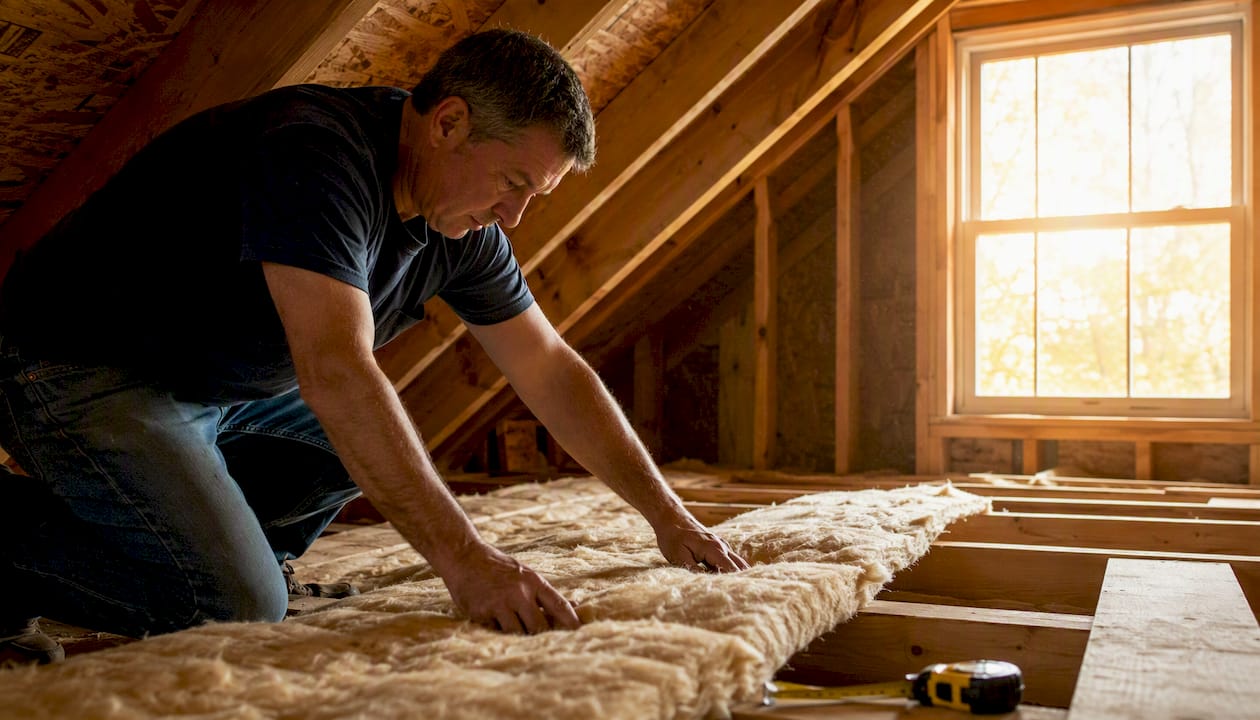
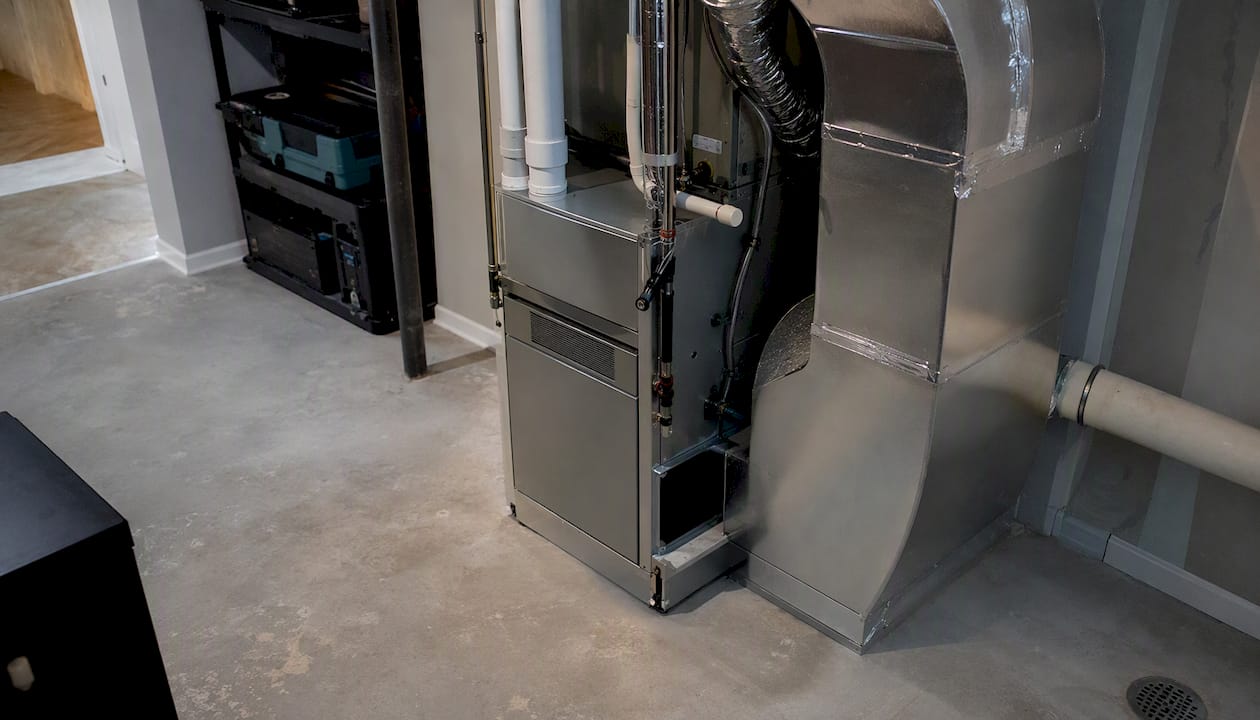
HVAC upgrades matter most when the existing system is aging or undersized. A properly sized, high-efficiency system with sealed ductwork signals low near-term maintenance risk to buyers. That perception often matters as much as the energy savings themselves.
Solar PV is the most market-dependent upgrade. Owned systems can add value where net metering is strong and buyer familiarity is high, particularly in the Pacific Northwest and Southwest. Leased systems complicate the sale and can actually slow a transaction if the buyer does not want to assume the lease.
Quick-win measures that improve buyer perception without major investment:
- Smart thermostats (Nest, Ecobee) — visible, familiar, and inexpensive
- LED lighting throughout — buyers notice modern fixtures
- Low-flow water fixtures — signals environmental awareness and reduces utility costs
- Door and window weatherstripping — cheap, immediate comfort improvement
- Interior door upgrades in older homes can reduce drafts and improve thermal separation between zones
When will buyers actually pay the premium?
The efficiency premium is real, but it is not universal. Three conditions determine whether it shows up in your sale price.
Disclosure and certification programs are the biggest lever. Markets with mandatory Home Energy Score disclosure, active HERS rating programs, or strong ENERGY STAR adoption give buyers the information they need to price efficiency. Without that information, the premium stays invisible. Freddie Mac and industry groups have specifically identified the “data gap” as the primary barrier to efficiency being reflected in appraisals and loan underwriting.
Local climate and utility costs amplify or suppress the premium. A home in a market with high electricity rates and extreme summers or winters generates more buyer interest in efficiency than one in a mild climate with low utility costs. St. Louis’s hot, humid summers and cold winters put it squarely in the category where efficiency features carry real weight.
Appraisal training and comparables are the weak link in most transactions. Appraisers often lack access to standardized energy data, and without a third-party score or a clear documentation package, efficiency improvements are frequently overlooked. Building Performance Institute guidance emphasizes that choosing an appraiser with green-valuation training materially increases the chance these features are captured.
MLS listing copy also shapes buyer awareness before the appraisal ever happens. Listings that mention a Home Energy Score, HERS rating, or ENERGY STAR certification attract buyers who are already priced for efficiency, which supports the comparable sales data appraisers rely on.
Pro Tip: When requesting an appraisal, ask specifically for an appraiser with experience in green or energy-efficient properties. You can also request that the appraiser use the Residential Green and Energy Efficient Addendum, which provides a structured framework for capturing efficiency features.
How sellers and agents should document and market energy efficiency
Documentation is where most sellers leave money on the table. A premium that exists in the data but is not communicated to the appraiser and buyer does not show up in the sale price.
Documentation checklist:
- Certified energy score (Home Energy Score, HERS rating, or ENERGY STAR certification)
- Contractor invoices and receipts for all efficiency work
- Two years of utility bills showing pre- and post-upgrade consumption
- Equipment specification sheets (HVAC, water heater, insulation R-values)
- Contractor completion certificates, especially from BPI-certified contractors
- Permit records for any permitted work
Presenting savings to buyers: model the annual energy bill savings in dollar terms, not percentages.
MLS listing language should include the score or rating number, the certification body, and a one-line savings estimate. Example: “Home Energy Score: 8/10. Estimated annual energy savings: $900 vs. comparable homes. ENERGY STAR-certified HVAC installed 2023.”
Briefing the appraiser: provide the documentation package before the appraisal appointment, not after. Include a cover letter summarizing the upgrades, their costs, and the estimated annual savings. Attach the Residential Green and Energy Efficient Addendum if your lender or appraiser supports it. Appraisal guidance from the Building Performance Institute confirms this preparation materially improves outcomes.
Pro Tip: Agents should include at least one photo in the listing that shows the mechanical room or utility area, with a caption noting the equipment age and efficiency rating. Buyers and appraisers both respond to visible evidence of recent, quality upgrades.
Should you renovate for efficiency before selling?
The answer depends on four variables: your timeline, your local market, the cost of the upgrade, and whether you can document it properly before listing.
A quick decision flow:
- Estimate the resale uplift. Use the Freddie Mac 2.7% average as a floor estimate, then adjust for your market’s energy costs and buyer preferences. On a $300,000 home, 2.7% is $8,100.
- Compare to upgrade cost. If insulation and air sealing cost $3,000 and add $6,000 in value, the math works. If a full window replacement costs $18,000 and adds $10,000, it does not.
- Check your timeline. Efficiency upgrades need time for documentation. A Home Energy Score assessment, contractor work, and permit closeout can take 4–8 weeks. Plan accordingly.
- Confirm local market appetite. Check whether comparable sales in your neighborhood reflect efficiency premiums. If no comps exist, the appraiser has nothing to anchor to.
Decision factors in priority order:
- Neighborhood comparable sales with efficiency features
- Expected premium size relative to upgrade cost (see renovation costs vs. value for a broader framework)
- Seller timeline and ability to complete documentation before listing
- Available federal tax credits (IRA incentives for insulation, heat pumps, and windows reduce net cost)
- Risk of over-improvement relative to neighborhood ceiling price
Recommended sequencing: energy audit → air sealing and insulation → HVAC or water heater if aging → Home Energy Score assessment → MLS listing with documentation package.
When to skip: if your home is already well-insulated and has a newer HVAC system, cosmetic upgrades like kitchen or bathroom refreshes often produce a faster, more visible return. Efficiency improvements have the strongest ROI when the baseline is poor, not when the home is already performing well.
How a professional remodeler helps you capture energy-efficiency value
A contractor’s role in capturing efficiency value goes well beyond installing insulation. The documentation, sequencing, and integration with other remodel work are where professional help pays off.
A qualified remodeler contributes:
- A prioritized scope based on an energy audit, not guesswork
- Correct air-sealing detailing around penetrations, rim joists, and attic bypasses, which is where most homes lose the most energy
- Properly sized equipment selection and commissioning documentation
- Receipts, scope-of-work reports, and completion certificates in the format appraisers and lenders expect
- Coordination of permits and inspection records before the listing date
Expressions Remodeling’s approach in St. Louis combines efficiency work with higher-visibility remodels. A project that pairs attic insulation and HVAC tuning with a kitchen update, for example, gives sellers both the documented energy performance and the visual appeal that drives buyer competition. The efficiency documentation goes into the appraisal package; the kitchen draws buyers through the door. That combination is more effective than either improvement alone, and it reflects how high-ROI home renovations actually work in practice.
Bundling efficiency work with a visible remodel is one of the most underused strategies in pre-listing preparation. The efficiency documentation strengthens the appraisal, and the remodel wins the buyer’s attention. Doing both in one project also means one set of permits, one contractor relationship, and one documentation package at closeout.
Pro Tip: Schedule your energy score assessment after the efficiency work is complete and permits are closed, not before. A score taken before upgrades understates the home’s performance and creates a documentation gap that appraisers will notice.
What local buyers in St. Louis actually care about
St. Louis buyers are practical. They want to know what a home will cost them to own, not just to buy. Utility bills in a St. Louis summer are real, and buyers who have lived here know it. What I see consistently is that efficiency features get attention when they are presented in dollar terms and backed by paperwork. A verbal claim that a home is “well-insulated” moves nothing. A Home Energy Score of 8 with two years of utility bills attached to the listing moves buyers.
Expressions Remodeling’s experience with pre-listing projects confirms that efficiency upgrades work best when they are integrated with the broader remodel scope, documented from day one, and presented as part of a complete pre-listing package. Efficiency helps, but it has to be visible, verified, and aligned with what St. Louis buyers are actually comparing when they tour homes.
Expressions Remodeling helps St. Louis homeowners prepare to sell
Pre-listing preparation that captures energy-efficiency value requires more than a single upgrade. It requires the right scope, correct installation, and a documentation package that holds up to appraisal scrutiny.
Expressions Remodeling works with St. Louis homeowners on exactly this kind of pre-sale preparation: coordinating energy audits, completing insulation and HVAC work, and delivering the receipts, permits, and completion certificates that appraisers need. Projects can be scoped to combine efficiency improvements with kitchen, bathroom, or basement finishing upgrades for maximum buyer appeal. Contact Expressions Remodeling to schedule a pre-listing consultation and get a prioritized scope for your home.
Sources
These are the primary sources behind the figures in this article. Attach the most relevant ones to your appraisal addendum or listing documentation.
- How Does Home Energy Score Affect Home Value and Mortgage Performance?
- Study Finds Home Energy Score Positively Linked to Sale Price and Loan Performance | Department of Energy
- Better Resale Value | ENERGY STAR
- The home energy scoring tool
This article is general information, not a substitute for advice from a qualified financial advisor. Consult a qualified financial professional about your own circumstances before acting on anything here.